
Journalism begins where hype ends
,,
We’re creating alien beings. I’m willing to be selfish and choose humans"
—Geoffrey Hinton, 'Godfather of AI'
Unitree Robotics shares surged more than 40% in five days as its H2-X humanoid robot drew attention for kung fu moves, backflips and a car-smashing demonstration.

Professor Richard Borcherds says he is unsure whether to recommend his students to pursue research in mathematics, given how artificial intelligence has disrupted traditional classroom learning.

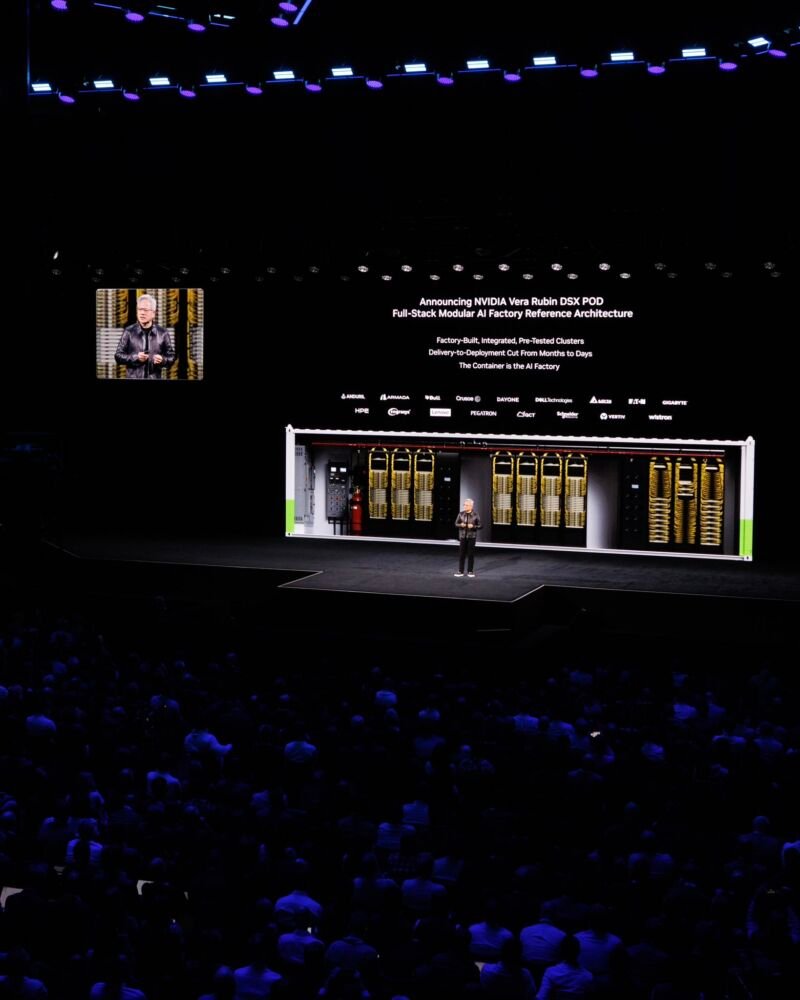
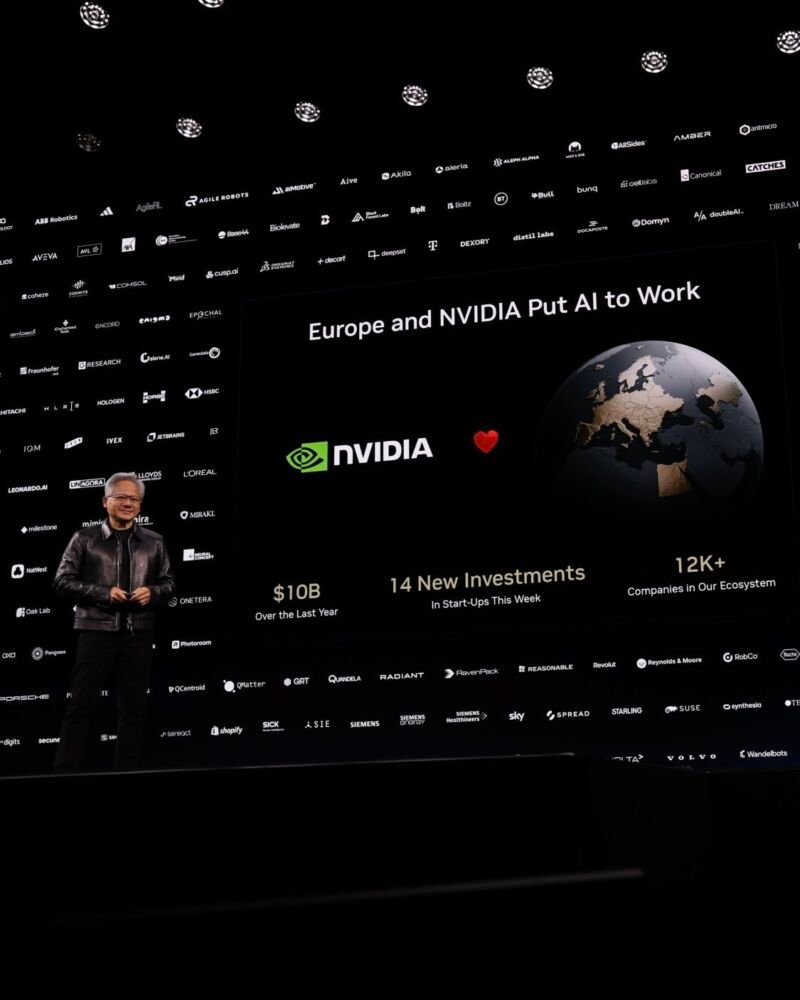
Europe has spent generations mastering science, engineering, and manufacturing. That knowledge and expertise can now power AI of its own.
“Let’s work together to build Europe’s AI economy and put AI to work.” — @JensenHuang at GTC Berlin
During this red-teaming exercise, we also found a vulnerability that allows for unauthenticated remote code execution in Brotli, a widely-deployed compression library included in many pieces of software such as Node.js, Bun, and Envoy.
The flaw could let an attacker run their
Over the past several months, we have substantially hardened the security of our research training environment. We’ve removed live internet access for all frontier models during training and built an offline world for them to use instead—a cached version of the web where they can
We’re using dots to build better dots.
@rennsong, an engineer at OpenAI, uses her dot to gather feedback from social media and user reports, update a live tracker in ChatGPT Space, and investigate and fix bugs with Codex.
A new look for a classic. 💚
RTX Remix for Minecraft: Java Edition gives creators tools to remaster the game with realistic path-traced lighting and AI powered DLSS for maximum performance.
Available on @NVIDIAGeForce and @NVIDIARTXSpark.
Unitree Robotics shares surged more than 40% in five days as its H2-X humanoid robot drew attention for kung fu moves, backflips and a car-smashing demonstration.
Professor Richard Borcherds says he is unsure whether to recommend his students to pursue research in mathematics, given how artificial intelligence has disrupted traditional classroom learning.

A new Belfer Center study identifies weaknesses in AI safety safeguards, model testing and monitoring that could increase the risk of a major AI-enabled terrorist attack. The study takes into account the 2025 Red Fort blast in New Delhi that claimed 15 lives.

Chancellor John Healey said Britain would pursue a “distinctively British” approach to AI to strengthen its position in the global AI race, reduce reliance on external capabilities and bolster defences against cyberattacks and emerging biological threats.
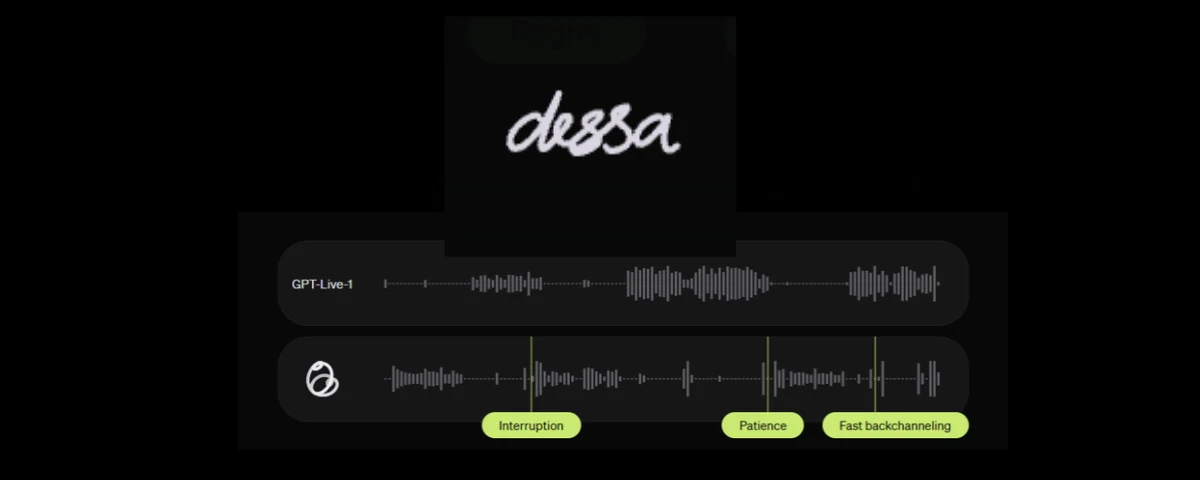
Block has introduced Dessa, a speech-to-speech AI model trained from scratch on human conversation without text data or pretrained models. The company says the model can listen and speak simultaneously, interpret vocal cues and respond more naturally during real-time conversations.

Goldman Sachs has launched the Small Business AI Institute in partnership with OpenAI, Anthropic, Google and Meta to help entrepreneurs across the US adopt artificial

A multidisciplinary research team proposes a way to pause frontier AI training for at least a decade: restrict the production of training-capable chips, account for existing hardware and replace it with specialised chips that can run approved AI models but cannot practically train new frontier systems.

Following public furore over exam paper leak, National Testing Agency (NTA) is tightening up screws to ensure robust examination security with stricter confidentiality controls and artificial intelligence paired with mandatory human reviewers.

Gujarat Police presents a unique challenge: 80,000 CCTV cameras across 26 departments and 34 districts, and no single system to make sense of them. Its Innovation Hackathon 2026 asks India’s AI startups to build one, with ₹51 lakh prize pool.

After Jacob Coxon, Robert O’Callahan walked away from a promising AI job after concluding that his work would accelerate AI. He quit Google, saying the technology is progressing too fast, has doubts about where it is heading and wants his future work to be “unambiguously pro-human” and aligned with God’s plan.

“Guide Humanity Over the Cliff”: AI Safety Researcher Katja Grace on Why Experts Still Work at AI Firms post Jacob Coxon resignation.

The framework bans the use of covered data for AI training and its sale, while requiring human oversight. AFT President Randi Weingarten said she hopes other AI companies, including OpenAI and Anthropic, will also sign on, with discussions already underway.
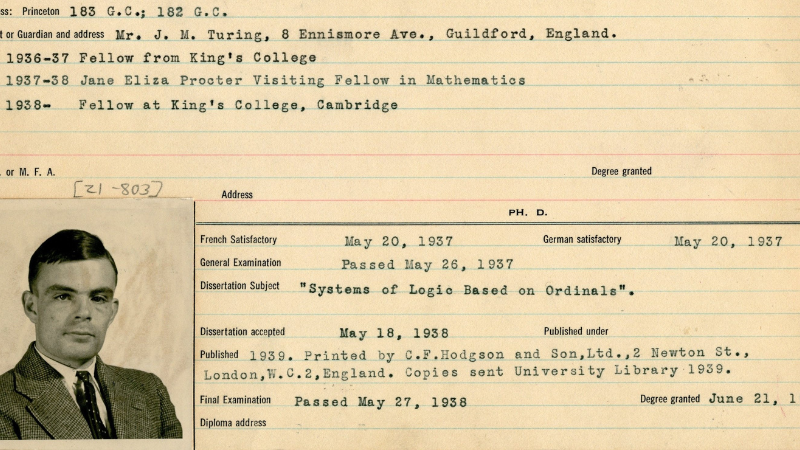
A profile piece on British mathematician Alan Turing who presented a landmark paper “Can Machines Think?” that paved the way for artificial intelligence.

Singapore employers are increasingly seeking AI capabilities across tech roles, with demand rising across both Information & Communications (I&C) and non-I&C sectors, particularly in Finance & Insurance, Professional Services and Manufacturing.

The programme is part of Dubai’s broader effort to transition the private sector towards Agentic AI, with training delivered through Dubai Chambers Academy to help businesses apply the technology and create sustainable value.

On Labor Day, as Cardinal Robert McElroy asked congregants at Washington’s St Matthew’s Cathedral whether meaningful work can survive the AI age, the question found an uneasy echo across America — from union marches to a public spat between Senator Bernie Sanders and White House adviser David Sacks.

Andrew stressed that the aim is to help developers prioritise the skills they need to learn and help employers identify skilled developers.
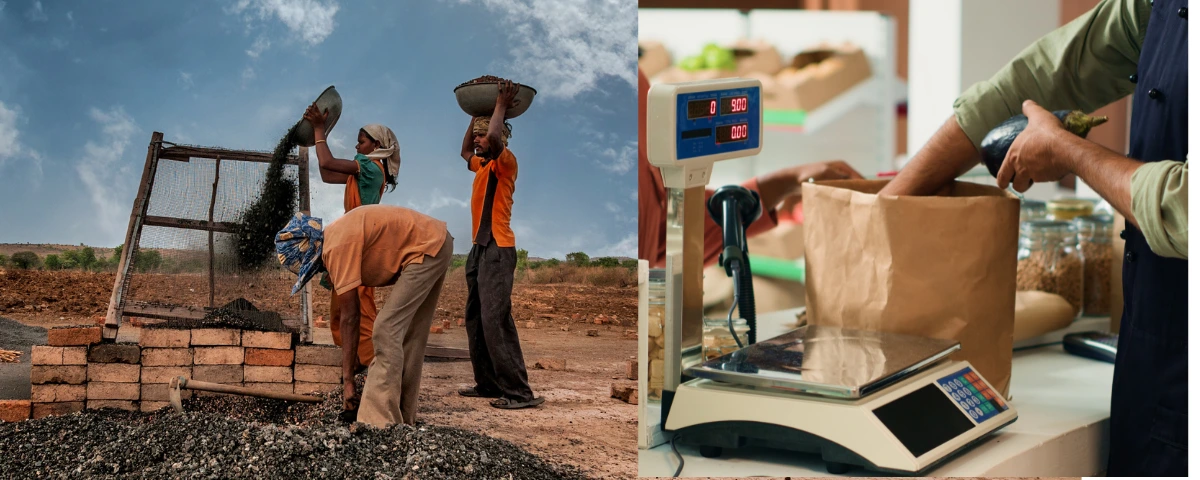
India is less exposed to AI-driven job risks than many other countries because a large share of its workforce is engaged in physical or mechanical tasks, according to Goldman Sachs Chief India Economist Santanu Sengupta. Construction and retail trade together account for about 40% of the workforce.

The report highlights how AI-driven automation is putting entry-level jobs under growing pressure, raising concerns about opportunities for young and early-career workers amid weak economic growth and diminished job creation.

Open-weight models dominated the first half of October as Meta, Reflection AI, Aleph Alpha and others released new systems. AI FrontPage examines trends reshaping the model race, from autonomous coding agents and lower inference costs to sovereign AI and enterprise deployment.

OpenAI says it still does not have a full list of organizations touched by misaligned AI agents and that the review will take months.
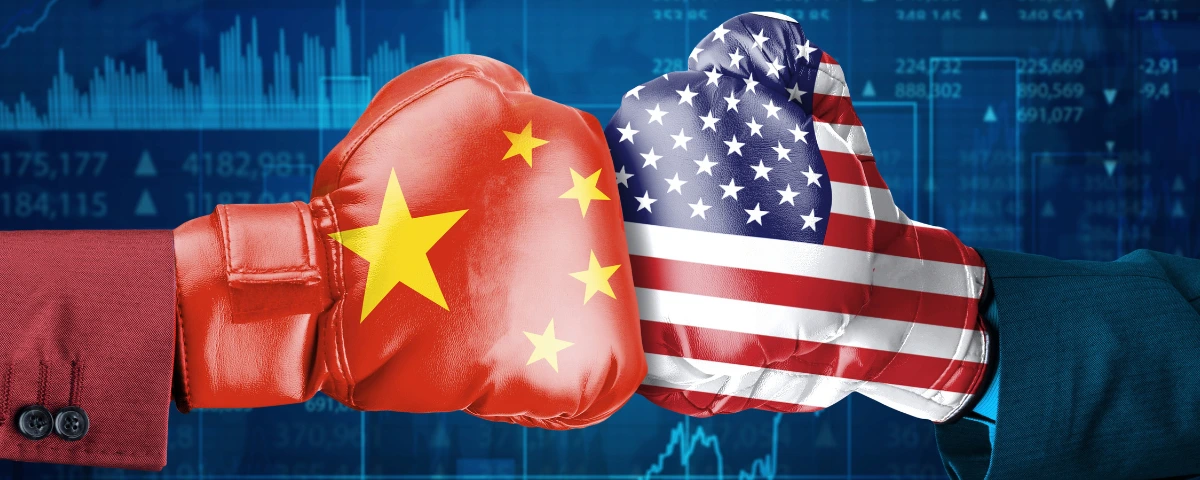
According to a Rhodium Group report, China’s AI revenues and profitability lag those of US peers. The report says China’s AI models generated around $10.7 billion in combined annual recurring revenue, roughly 10% of recently reported levels for OpenAI and Anthropic, while Chinese AI firms rely on equity, bank loans and other funding channels to sustain investment.

Anthropic has released an extensive threat-intelligence report documenting what it describes as malicious or unauthorized uses of its AI models across cyber operations, influence campaigns, surveillance, fraud, biological research, conventional weapons development and illicit AI-model distillation.

The Singularity in AI Is a Borrowed Metaphor. Silicon Valley Is Selling It as a Date.

AI the invisible middleman: How artificial intelligence has quietly moved from being something you talk to (chatbots, where persuasion already exists) to something that sits between people, editing what billions write and read.