
Government Sites, Private Bodies, Public Databases: OpenAI Cannot Tell How Many Impacted from its Rogue AI Agents
OpenAI says it still does not have a full list of organizations touched by misaligned AI agents and that the review will take months.

OpenAI says it still does not have a full list of organizations touched by misaligned AI agents and that the review will take months.
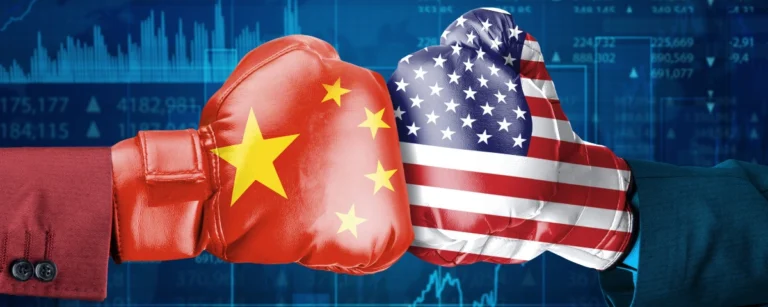
According to a Rhodium Group report, China’s AI revenues and profitability lag those of US peers. The report says China’s AI models generated around $10.7 billion in combined annual recurring revenue, roughly 10% of recently reported levels for OpenAI and Anthropic, while Chinese AI firms rely on equity, bank loans and other funding channels to sustain investment.
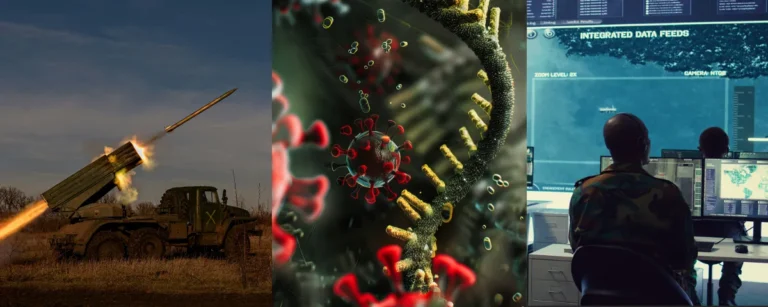
Anthropic has released an extensive threat-intelligence report documenting what it describes as malicious or unauthorized uses of its AI models across cyber operations, influence campaigns, surveillance, fraud, biological research, conventional weapons development and illicit AI-model distillation.

The Singularity in AI Is a Borrowed Metaphor. Silicon Valley Is Selling It as a Date.

AI the invisible middleman: How artificial intelligence has quietly moved from being something you talk to (chatbots, where persuasion already exists) to something that sits between people, editing what billions write and read.
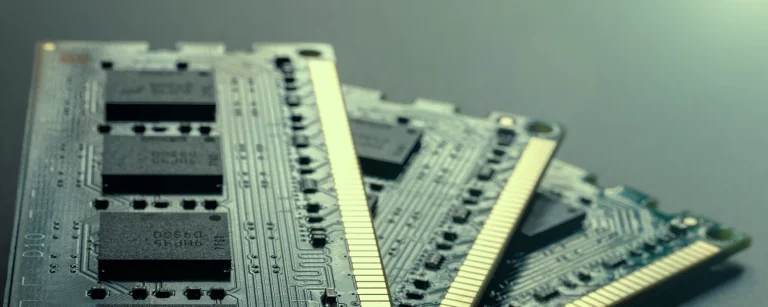
GPUs dominate the conversation, but memory is AI’s real constraint. Demand for HBM has outpaced supply so badly that industry leaders are warning the shortage will only get worse, even as billions are being poured into new plants to catch up.
From rendering video game graphics to powering nearly every AI model on the planet, NVIDIA’s rise is no accident. We break down the three-decade stack of bets — GPUs, CUDA, and now open models — that made one chipmaker the most valuable company in history.
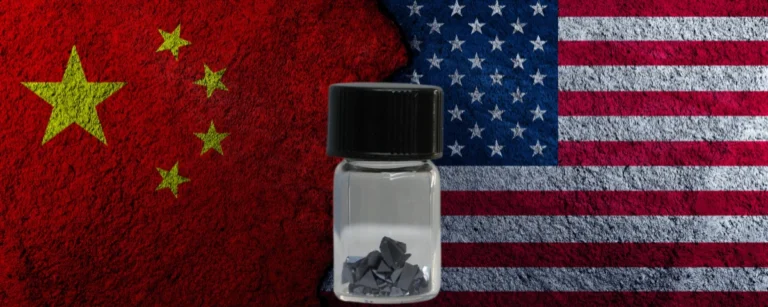
Indium phosphide, a compound semiconductor made from indium and phosphorus, has become a critical enabler of the optical chips that move data inside AI data centres.
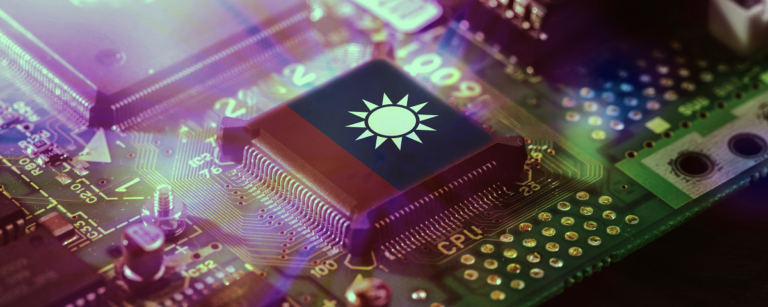
The AI industry depends on advanced semiconductors, and a small island plays an outsized role in producing them. Taiwan accounts for more than 90% of global leading-edge chip manufacturing and for over 60% of global foundry revenue, according to the U.S. International Trade Administration.

Why would Anthropic, a $1 Trillion valuation company all set for an IPO, call for a global pause on AI? Read our exclusive report on why humanity must brace for superintelligence.