Pax Silica agreement between US and India could become a cornerstone of the global AI and chip ecosystem
What is Pax Silica and why it matters to US and India?
Pax Silica agreement between US and India could become a cornerstone of the global AI and chip ecosystem
U.S. teens are turning to generative AI for homework help, creative tasks, and casual conversation — raising serious questions not just about academic integrity, but about a growing dependence on machines to do their thinking for them.
Pentagon is adamant on Anthropic loosening restrictions on its AI safety policy to be used in military exercises.
Cybersecurity and software stocks slid after Anthropic’s Claude Code announcement sparked concerns over AI-driven competitive risks.
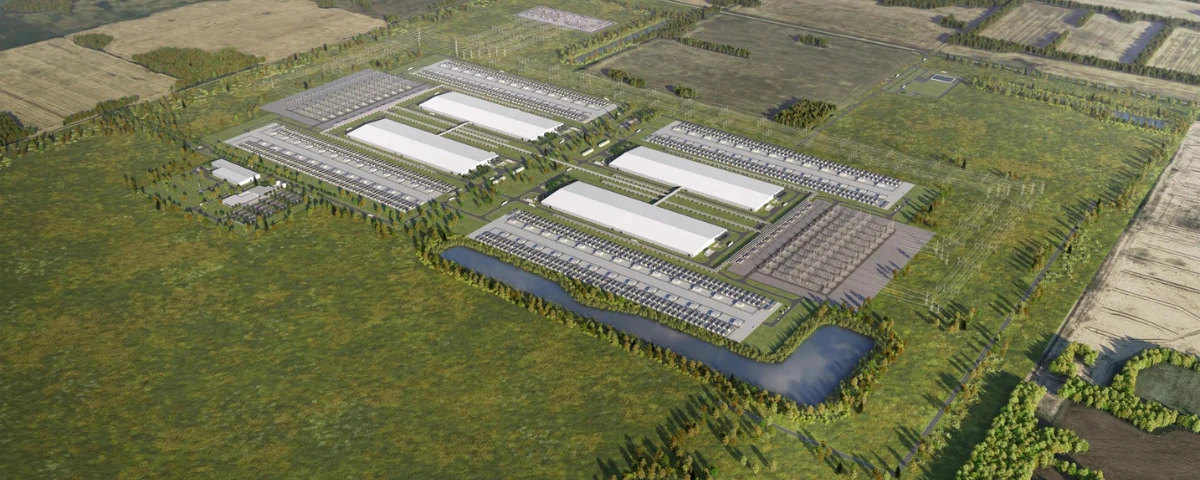
Amazon plans to invest $12 billion in Louisiana to build new data centers that will create 540 new jobs.
With Anthropic accusing China based AI companies-DeepSeek, Moonshot and MiniMax- of illicitly training their own AI models on Claude’s capabilities, the chicken has finally come to roost.
Anthropic, the creator of Claude AI, has accused Chinese AI companies Deepseek, Moonshot and MiniMax of illicit distillation of Claude to train their own AI models.
India has become OpenAI’s second-largest market, surpassing 100 million weekly ChatGPT users. The rapid growth highlights extraordinary adoption, even as questions intensify around ownership, jobs, and who stands to benefit most from the AI boom.
New Delhi signs Pax Silica declaration at AI Impact Summit 2026, tying up with Washington DC on AI, semiconductors and critical mineral supply chains.
India’s Union IT Minister Ashwini Vaishnaw apologized to attendees for overcrowding and logistical issues on the opening day of India AI Impact Summit 2026.