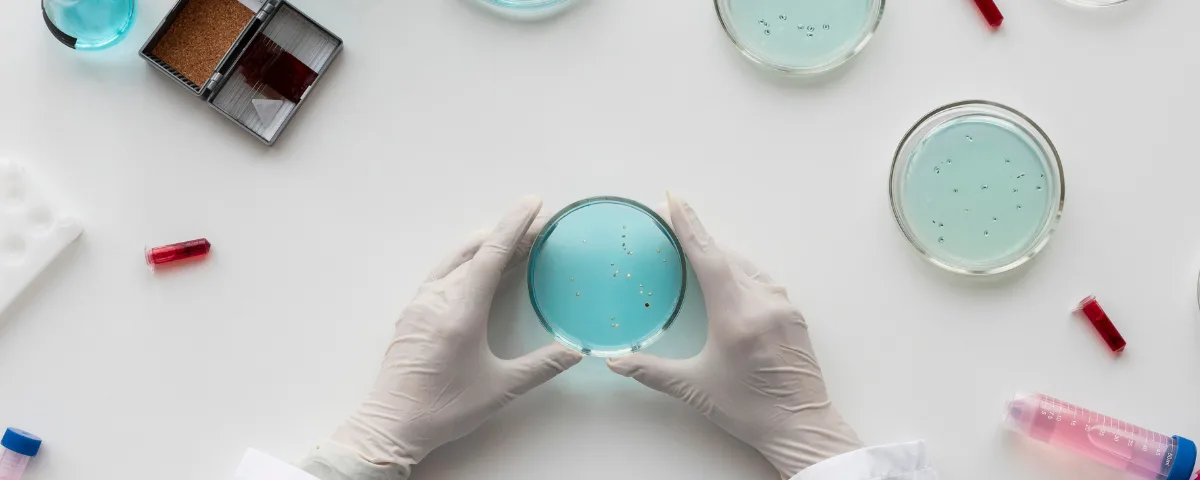
The CEOs have argued that while synthetic DNA technology has sped up vaccine development and expanded excess to scientific research but it also poses potential security risks if misused.
AI CEOs Urge US Congress to Mandate DNA Synthesis Screening
Supriya Singh is a Reporter at AI FrontPage covering the AI & Education and AI & Jobs beats. She brings six years of print and digital experience, including three years at The Asian Age, where she reported on higher education, Delhi government, and crime. She is based in Delhi-NCR.
The CEOs have argued that while synthetic DNA technology has sped up vaccine development and expanded excess to scientific research but it also poses potential security risks if misused.
New York Times Publisher A.G. Sulzberger warned that Artificial Intelligence (AI) companies are committing a “brazen theft of intellectual property at an unprecedented scale,” siphoning off the revenue news organizations need to fund the difficult work of original reporting, pushing the world toward a future with “fewer and fewer journalists.”
The Position Paper Track at NeurIPS 2026 claimed that it has adopted a strict AI-use policy, requiring papers to be substantially human-written, with limiting the use of AI only to copy-editing.
The dispute centered on Google’s AdWords programme and the use of Hindware’s trademark as advertising keywords. The ruling comes as Google expands AI-powered Search.
Amnesty International said leading AI models rely on unlawful web scraping and pose risks to privacy, human rights and the environment. The group urged governments to prohibit systems built using such practices.
AI is causing more software engineers to be hired, insists Huang even as Q1 2026 saw over 100,000 tech jobs slashed.
As per study, Black and Asian applicants were disproportionately screened by systems that discriminated against their group.
Nvidia CEO Jensen Huang is likely to join the advisory board of Tsinghua University’s business school, chaired by Apple’s Tim Cook
A Cambridge-led study put leading AI models to work grading 761 undergraduate psychology essays — and found they matched human examiners only about half the time
University of Cambridge-led study found that AI systems often failed to accurately assess top and low-performing university essays, with researchers warning that current models remain too inconsistent for independent grading.