Advising middle and low income countries against building their own frontier AI models, the World Bank has advocated for use of “small AI” and adapting existing tools to their local languages/context for artificial intelligence to close critical skill and knowledge gaps in these countries.
In their newly released ‘World Development Report 2026: The Promise of Artificial Intelligence’ , the World Bank Group has said that developing countries need to be deliberate about AI’s use as the technology can speed up a century-long transformation in a decade’s time.
The report cautioned that while AI debates in developed economies largely revolve around building frontier models and competing for global leadership, the developing economies should not fall for this trap. The report observed that frontier AI models are the hardest and most expensive path as it requires chips, large data centers, huge amounts of training data and world class AI researchers..
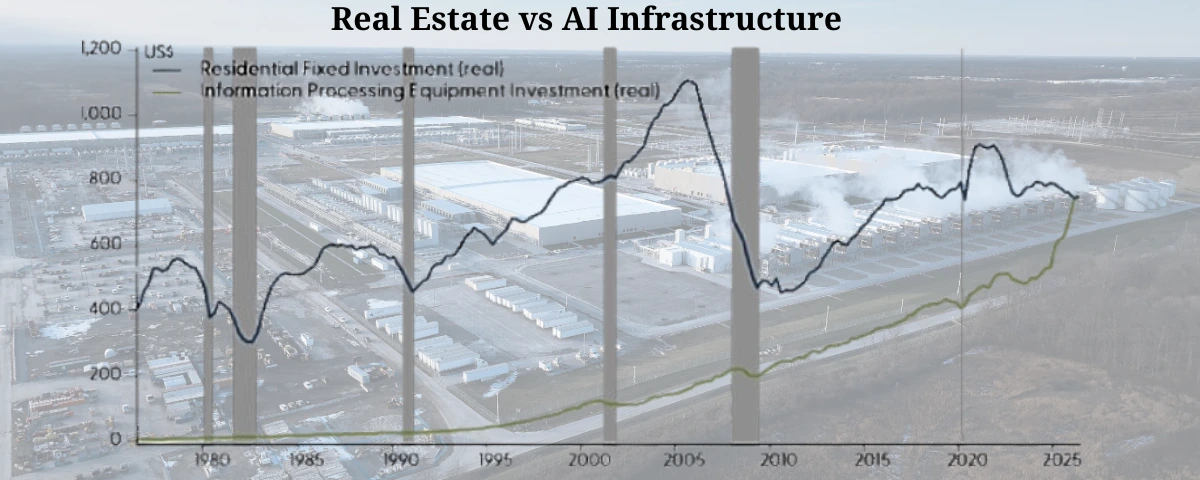
Today, only a handful of companies in a few countries can afford to do this, spending billions of dollars to train leading AI models. In 2026, the amount these companies are expected to spend on AI infrastructure is larger than the entire economies of many countries….Instead, the best place to start is by adopting AI tools that already exist, such as AI tools that can make it easier for doctors to diagnose patients, farmers to improve crop decisions, and businesses to become more productive. But these benefits depend on strong analog foundations, including reliable electricity, fast internet, and basic education,” read an excerpt from the World Bank report.
The report, a first comprehensive assessment of AI’s implications for the rest of the world, has argued that developing economies do not need to develop large language models or big data centers but for them the potential of AI is more basic and radical. They can utilize affordable and efficient AI tools to strengthen healthcare, judicial services, education, agriculture and small businesses.
“If handled well, AI could help lift global growth to its strongest pace since the golden years of the 2000s, delivering tangible benefits to people in developing economies as well. This 2026 edition of the World Development Report shows that even if AI fails to live up to all its hype, developing economies would still be better off than they are today,” the report mentioned.
The report provides a detailed assessment of how people, businesses, and governments in poorer countries are using AI, the challenges limiting its adoption and the areas where the technology could deliver the benefits.
“AI has thrown developing economies a lifeline, and they should seize it. They do not need large models or big data centers to reap its benefits. By adapting small, low-cost AI tools to local conditions, they can bring better medical care, education, judicial services and agricultural extension within reach of millions,” said Indermit Gill, senior vice president and chief economist of the World Bank Group.
The report revealed that developing economies have more to gain from AI than the rich countries as it pointed out that less than a tenth of their jobs are susceptible to AI automation, compared with more than a third in high-income economies.
It highlighted that one out of every six developing-economy jobs would be enhanced rather than replaced, only slightly less than the share in high-income economies. “AI, for example, might enable the judiciary to radically reduce caseloads, help teachers to prepare better lessons, assist nurses in interpreting a medical scan, or guide a farmer on when to plant and which pesticides to avoid,” the report said.
Generative AI is expected to pose a greater risk to jobs in high-income economies than in developing countries, with 14.2% of jobs in richer nations exposed to automation compared with 4.5% in low and middle income countries, the report found. At the same time, the share of jobs expected to benefit from meaningful productivity gains is also similar:16.2% in developing economies and 18.7% in high income countries.
The report urged governments to improve electricity, internet access, boost digital skills and expand access to smartphones and computing devices. However it warned that AI could bring greater income inequality, stealthier misinformation and political repression.
Also Read: Anthropic and Gates Foundation Commit $200 Million to AI Initiatives in India, Sub-Saharan Africa