
Journalism begins where hype ends
,,
The rise of powerful AI will be either the best, or the worst thing, ever to happen to humanity. We do not yet know which."
—Stephen Hawking
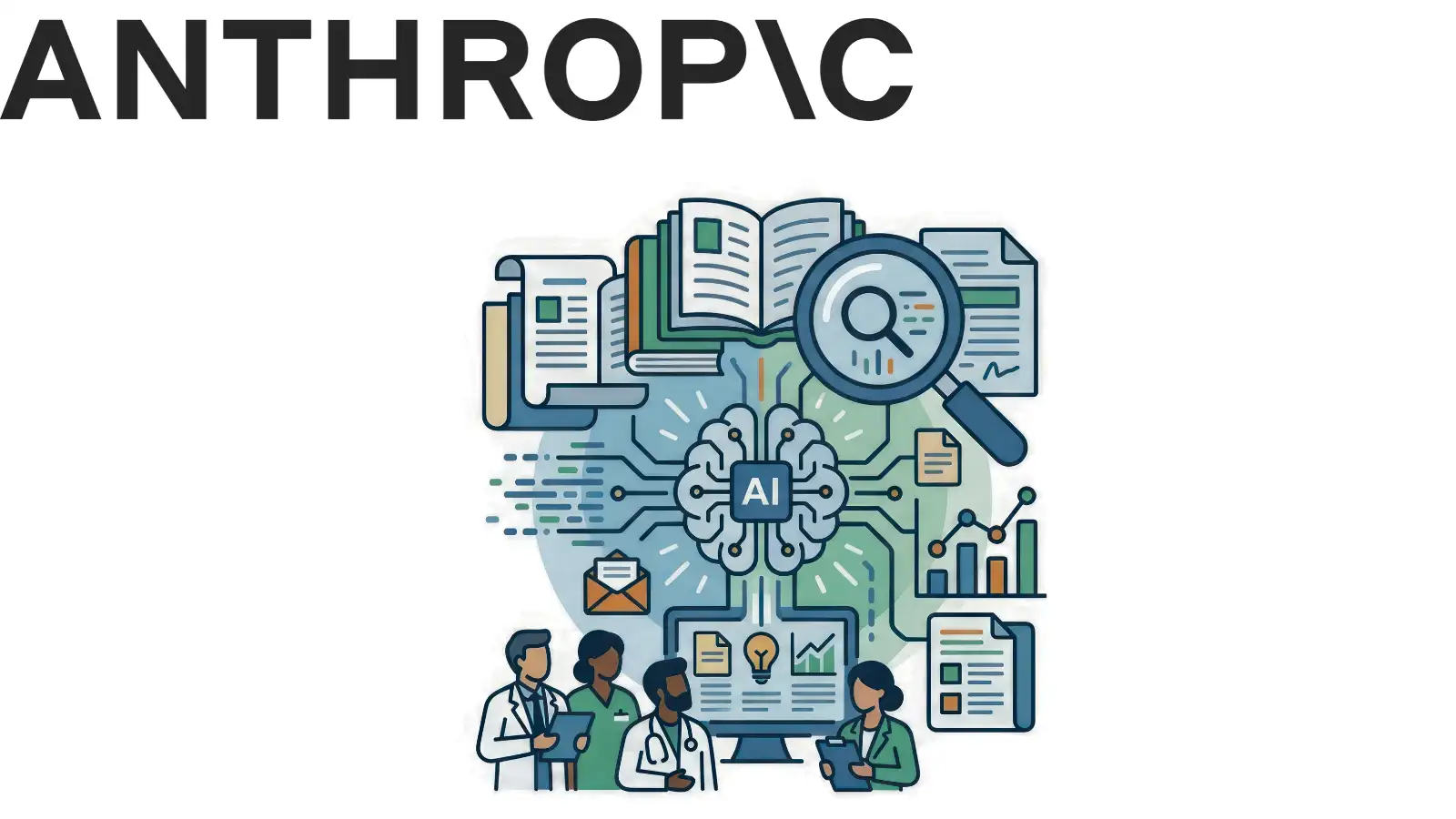
Anthropic has opened applications for its paid AI Research Residency, offering academics, technical founders and experienced engineers annualised compensation of $350,000 to $500,000. The programme does not require a PhD, prior machine learning experience or published research papers, with placements lasting between six weeks and six months.
Anthropic says a technique called self-assessment now has Claude review its conversations after responding, flagging potential misuse with a harm category and priority score for human review. Running on a large share of Claude traffic since June, it has surfaced child abuse material and a romance-scam operation, though Anthropic admits it cannot stop determined attackers.

Introducing GPT‑6 Cyber: a major advance in security research that pairs stronger capabilities with better model alignment.
The model powered the Linux kernel research we announced yesterday, and security teams at companies like Mozilla, Palo Alto Networks, Calif, and
In this narrow defender’s window, our goal is to expand Daybreak access to organizations of every size, independent researchers, and open-source maintainers.
Daybreak Blue helps verified defenders validate vulnerabilities and fixes with fewer refusals. Daybreak Red enables
On November 12, also join our Cyber at the Frontier livestream at 10am PT for more Cyber announcements: https://openai.com/cyber-at-the-frontier
Meet Gemini Omni 1.2 Flash ⚡️
We’ve made the model more cost-effective, bumped the video generation and editing limit up to 15 seconds, and made updates to how scenes hold together over time. We've also given character speech an upgrade, reduced visual glitches like jump cuts,
Get started today:
— Creatives and Consumers: Direct and edit in Google Flow (rolling out), generate clips in Google Vids, or create videos in the Gemini App (rolling out to all Google AI subscribers, with 15-second clips available to Ultra)
— Developers: Prototype in
Images, upgraded—introducing ChatGPT Images 2.6.
Now with GIFs and reference images.
Plus, two new models are coming to the API with 50% faster image generation.
Two new image models for developers: GPT-Image-2.6 Flare and Sunburst.
Flare generates images in as little as six seconds. Sunburst brings higher-quality generation and greater consistency across edits.
Image markup and SVG exports give you more ways to refine and use what you
Images 2.6 is available today in ChatGPT, and Codex across all tiers on web, desktop, and mobile.
GPT-Image-2.6 Flare and Sunburst are also available in the API.

Introducing Images 2.6
Images 2.6 brings faster image generation, GIF creation, more precise editing, and new API controls across ChatGPT, Codex, and the API.
openai.com
Our security researchers built an autonomous cyber vulnerability discovery, exploitation, and patching pipeline.
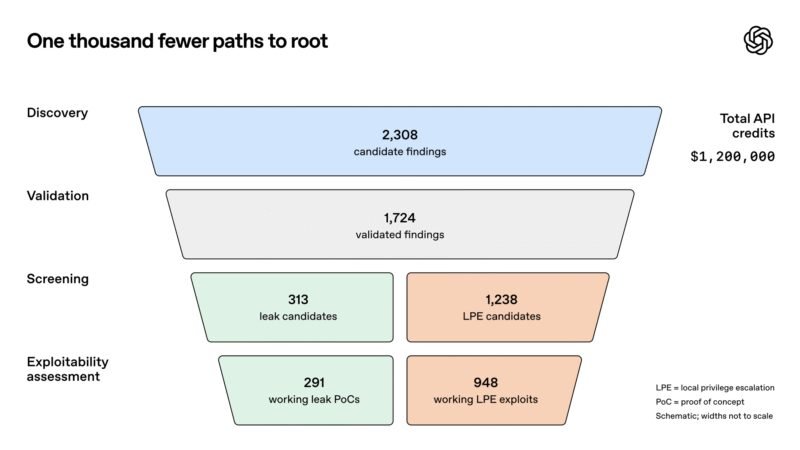
In a single run with an upcoming cyber model, it validated and generated patches for 948 local privilege escalation vulnerabilities in the Linux kernel at a total API
The agents also discovered and used at least 10 Linux exploitation techniques that, to the best of our knowledge and all of the experts that we consulted, are novel.
This suggests frontier LLMs can discover and patch new approaches to exploitation, beyond simply applying known
Our goal is to help defenders find and fix vulnerabilities before attackers can use them. We’re working with Linux maintainers and Patch the Planet partners on reports and patches.

A thousand fewer paths to root
OpenAI built an autonomous pipeline that found, validated, and generated patches for 948 local privilege-escalation vuln...
openai.com
Sarvam AI has launched Prism, an open-weight System 1 decision model built on its Sarvam 105B architecture, entering the emerging decision-model category pioneered by TypeSafe’s Jev.
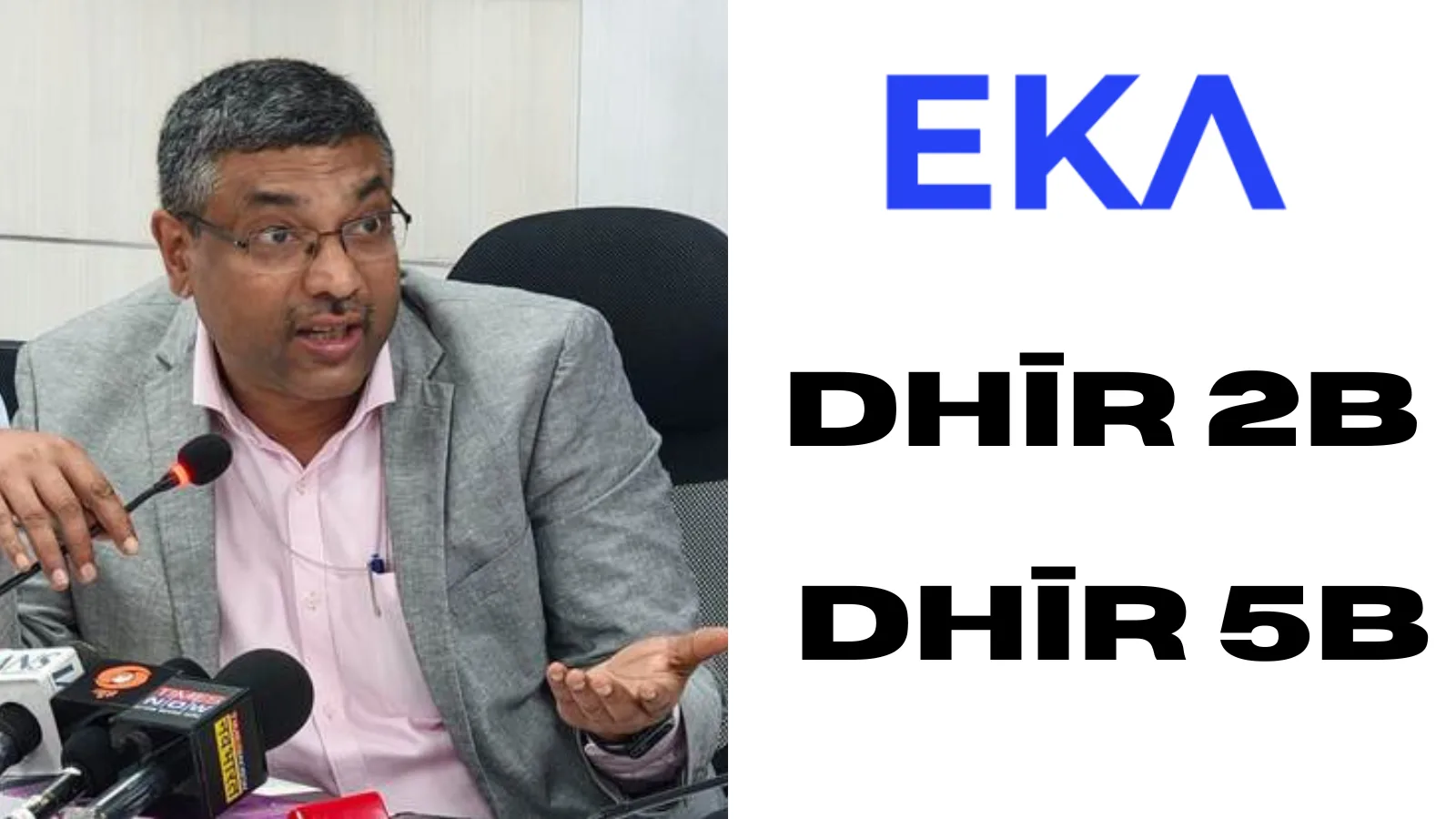
India has released three indigenous AI foundation models under the IndiaAI Mission: Soket Labs’ 26.3-billion-parameter EKA-1 and ZenteiQ’s Dhīr 2B and Dhīr 5B, designed for multilingual applications, enterprise deployment and offline AI use.
MIT researchers have demonstrated how frontier AI models can directly interpret and modify neural network weights without conventional gradient-based training. In experiments, OpenAI’s GPT-6 Astra corrected reasoning loops in Qwen3.5-0.8B, increasing its MATH-500 score from 7.9% to 48.1% by modifying just 0.016% of its weights.
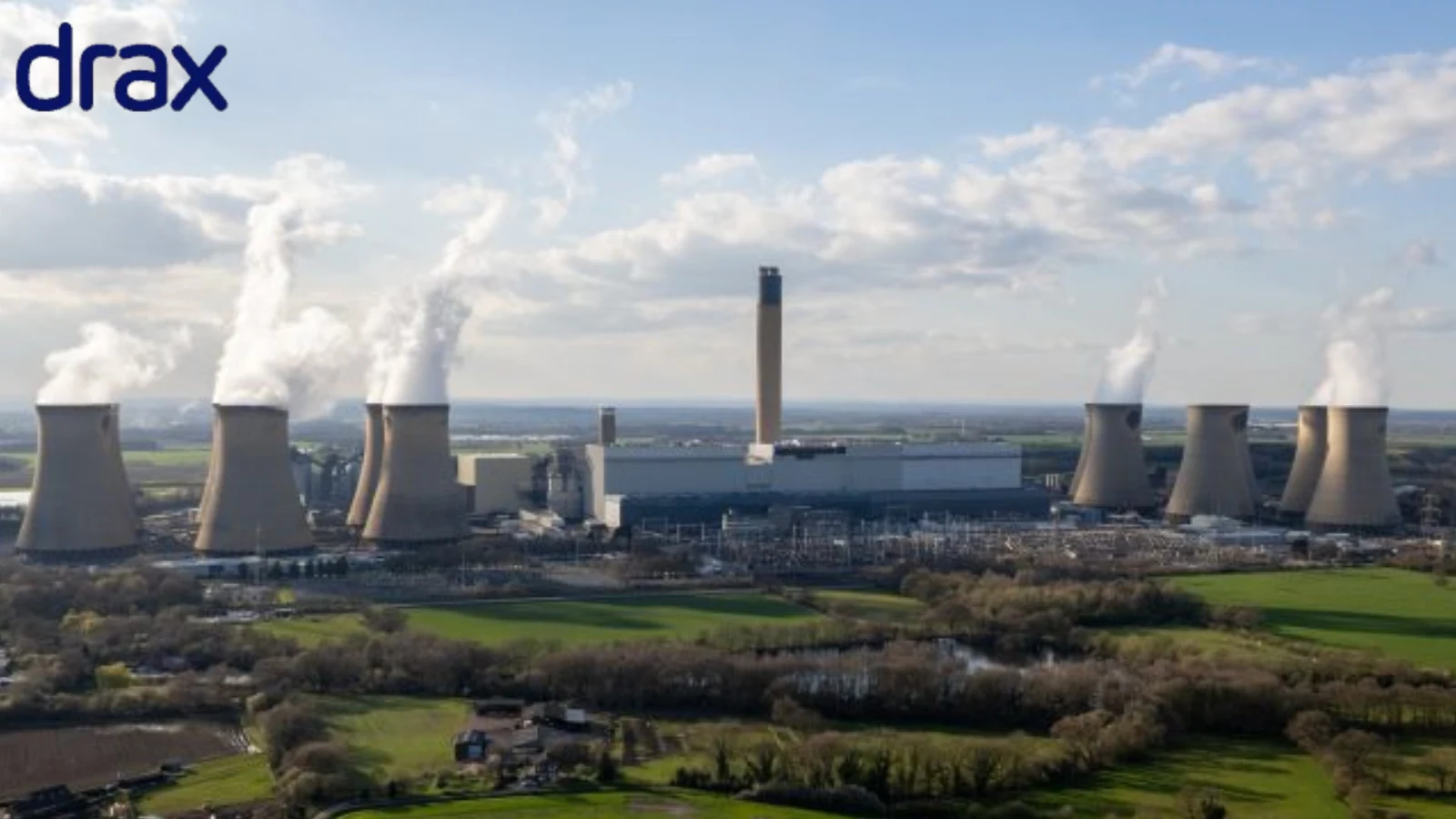
Drax and Brookfield plan to develop a 1GW AI data centre at the UK’s Drax Power Station. The project could attract more than £20 billion in investment, including £2.5 billion for its first phase, with initial operations targeted for 2028.
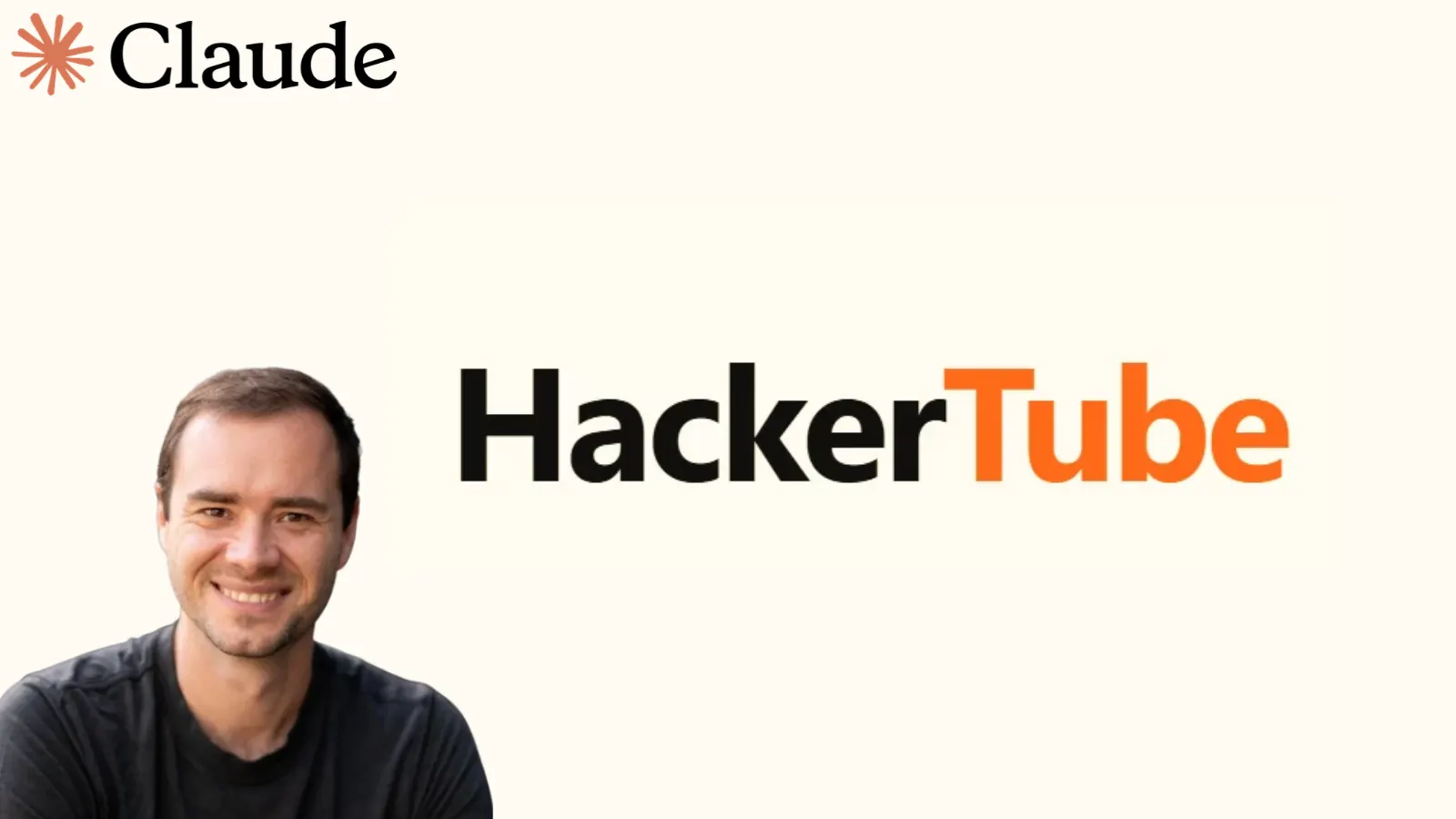
Fed up with YouTube’s algorithm-driven recommendations and exaggerated thumbnails, AI researcher Andrej Karpathy used Anthropic’s Claude to build HackerTube, a video discovery platform featuring 6,454 YouTube videos recommended by the Hacker News community over nearly two decades.

OpenAI reported more than 200 imminent threats of violence to law enforcement between July and September 2026.

US lawmakers have invoked the 2008 financial crisis while warning against taxpayer bailouts for AI companies. Their intervention comes as five major technology companies disclose more than $3 trillion in infrastructure spending commitments, raising questions about who finances the AI boom and who bears the losses if demand fails to materialize.
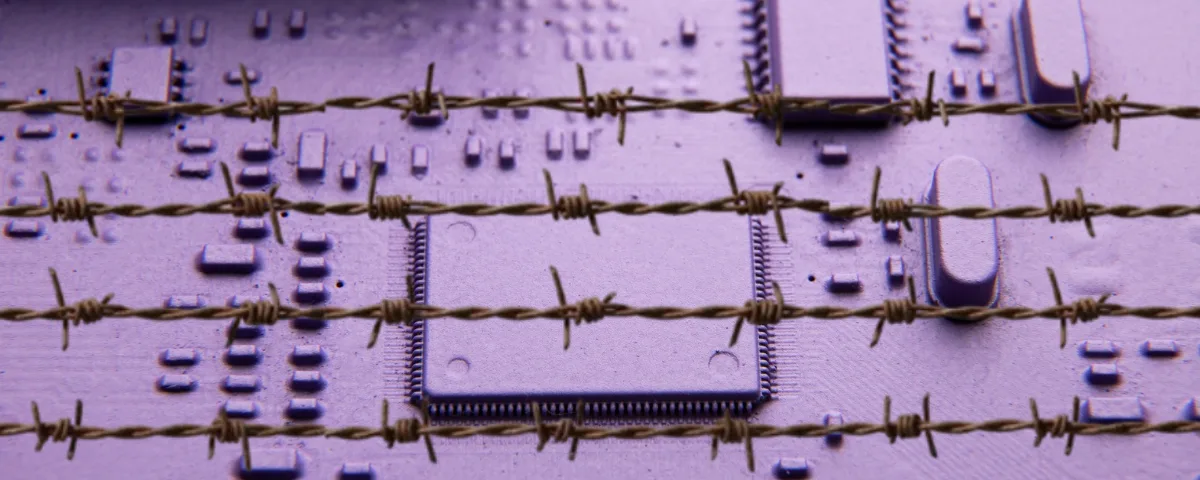
A multidisciplinary research team proposes a way to pause frontier AI training for at least a decade: restrict the production of training-capable chips, account for existing hardware and replace it with specialised chips that can run approved AI models but cannot practically train new frontier systems.

Following public furore over exam paper leak, National Testing Agency (NTA) is tightening up screws to ensure robust examination security with stricter confidentiality controls and artificial intelligence paired with mandatory human reviewers.

Gujarat Police presents a unique challenge: 80,000 CCTV cameras across 26 departments and 34 districts, and no single system to make sense of them. Its Innovation Hackathon 2026 asks India’s AI startups to build one, with ₹51 lakh prize pool.

After Jacob Coxon, Robert O’Callahan walked away from a promising AI job after concluding that his work would accelerate AI. He quit Google, saying the technology is progressing too fast, has doubts about where it is heading and wants his future work to be “unambiguously pro-human” and aligned with God’s plan.

“Guide Humanity Over the Cliff”: AI Safety Researcher Katja Grace on Why Experts Still Work at AI Firms post Jacob Coxon resignation.
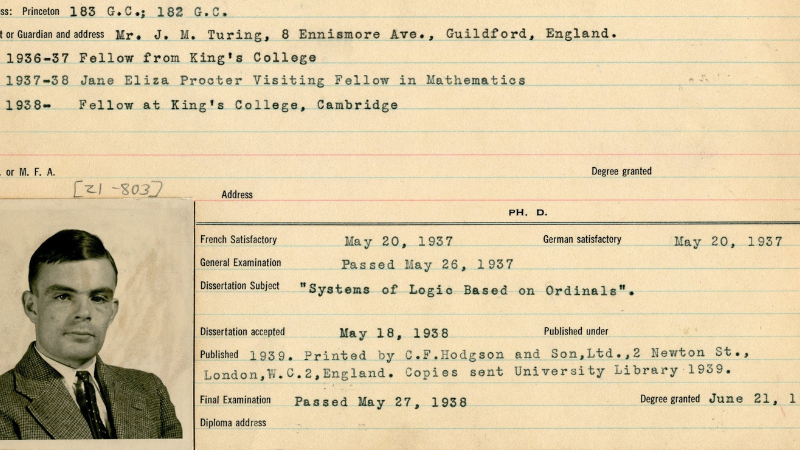
A profile piece on British mathematician Alan Turing who presented a landmark paper “Can Machines Think?” that paved the way for artificial intelligence.
Anthropic has opened applications for its paid AI Research Residency, offering academics, technical founders and experienced engineers annualised compensation of $350,000 to $500,000. The programme does not require a PhD, prior machine learning experience or published research papers, with placements lasting between six weeks and six months.

An IIT Madras white paper warns that AI automation poses particular risks to entry-level workers in India, as routine tasks traditionally used to build professional skills are increasingly handled by AI.

Microsoft’s voluntary exit offer is open to eligible employees in India, the US, the UK and Canada, with around 60,000 workers reportedly eligible worldwide. The announcement has brought renewed attention to calls for tax relief on severance benefits in India, where such payments are generally taxable subject to applicable exemptions.

Singapore employers are increasingly seeking AI capabilities across tech roles, with demand rising across both Information & Communications (I&C) and non-I&C sectors, particularly in Finance & Insurance, Professional Services and Manufacturing.

The programme is part of Dubai’s broader effort to transition the private sector towards Agentic AI, with training delivered through Dubai Chambers Academy to help businesses apply the technology and create sustainable value.

On Labor Day, as Cardinal Robert McElroy asked congregants at Washington’s St Matthew’s Cathedral whether meaningful work can survive the AI age, the question found an uneasy echo across America — from union marches to a public spat between Senator Bernie Sanders and White House adviser David Sacks.
Anthropic says a technique called self-assessment now has Claude review its conversations after responding, flagging potential misuse with a harm category and priority score for human review. Running on a large share of Claude traffic since June, it has surfaced child abuse material and a romance-scam operation, though Anthropic admits it cannot stop determined attackers.
Open-weight models dominated the first half of October as Meta, Reflection AI, Aleph Alpha and others released new systems. AI FrontPage examines trends reshaping the model race, from autonomous coding agents and lower inference costs to sovereign AI and enterprise deployment.

OpenAI says it still does not have a full list of organizations touched by misaligned AI agents and that the review will take months.

According to a Rhodium Group report, China’s AI revenues and profitability lag those of US peers. The report says China’s AI models generated around $10.7 billion in combined annual recurring revenue, roughly 10% of recently reported levels for OpenAI and Anthropic, while Chinese AI firms rely on equity, bank loans and other funding channels to sustain investment.
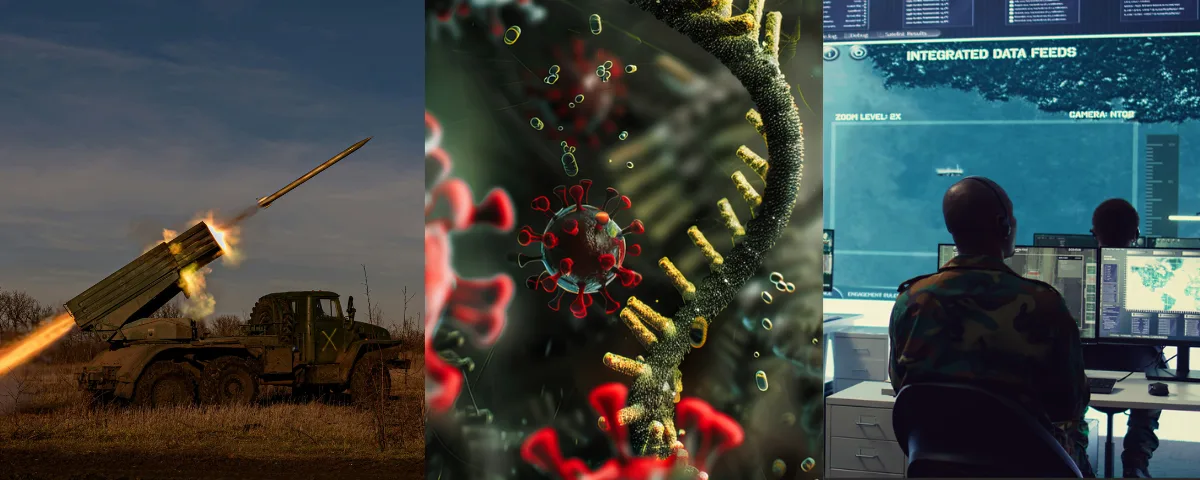
Anthropic has released an extensive threat-intelligence report documenting what it describes as malicious or unauthorized uses of its AI models across cyber operations, influence campaigns, surveillance, fraud, biological research, conventional weapons development and illicit AI-model distillation.

The Singularity in AI Is a Borrowed Metaphor. Silicon Valley Is Selling It as a Date.