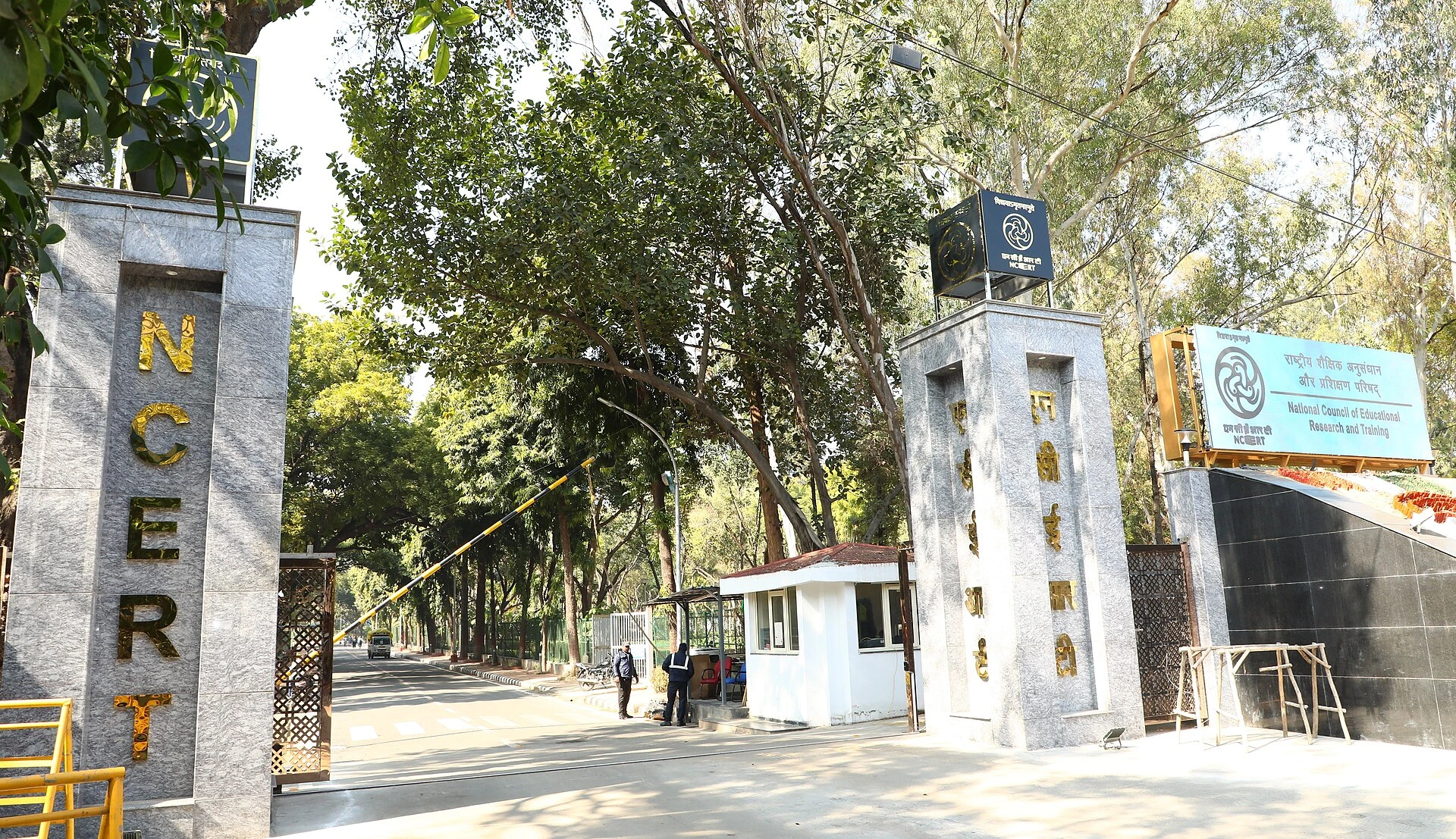
India’s National Council of Educational Research and Training (NCERT) has released a 20-hour introductory module on computational thinking and artificial intelligence (AI) for classes 9-12, covering everyday AI applications, machine learning, deepfake detection, data privacy and the verification of AI-generated information.
Developed by NCERT with faculty members from IIT Madras and IIT Jodhpur, the module aims to help students understand how AI works, its applications, possibilities and limitations.
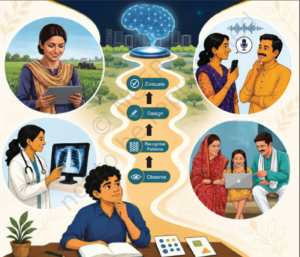
It focuses on critical thinking, creativity, problem-solving and the responsible use of emerging technologies.
“No prior knowledge of AI is assumed,” the module states.
It introduces concepts through classroom discussions, hands-on activities, experimentation and reflection. Computational thinking is presented as a systematic approach to problem-solving, helping students break down problems into manageable steps and identify patterns.
The module is organized into five units covering AI in everyday life; how machines learn; why AI gets things wrong; data privacy and responsible AI use; and modern AI tools.
Activities can be conducted using individual or shared digital devices, through teacher demonstrations, or offline using paper and discussion, allowing schools to adapt them to available resources.
Its third unit, “When AI Gets It Wrong”, covers deepfakes and synthetic media through an activity called the “Spot the Manipulation” gallery walk. Students also learn to verify AI-generated information rather than trust answers simply because they sound convincing.
A five-step verification method – source, claim type, comparison, pause and confidence- that helps students assess AI-generated information. A “Hallucination Hunt” activity teaches them to identify inaccurate AI responses.
Students also explore how training data affects AI performance by training an image classifier on familiar objects and testing it on unfamiliar examples.
The module highlights data privacy, cautioning students against sharing sensitive information such as Aadhaar or PAN numbers, passwords, one-time passwords (OTPs), bank details and personal documents with AI tools.
It aims to help students become informed and responsible users of technology, reinforcing that technology can extend human capabilities, while judgement, creativity, responsibility and ownership of learning remain with the learner.
Also Read: Important for Teachers to Learn AI: India’s Education Secretary to AI FrontPage