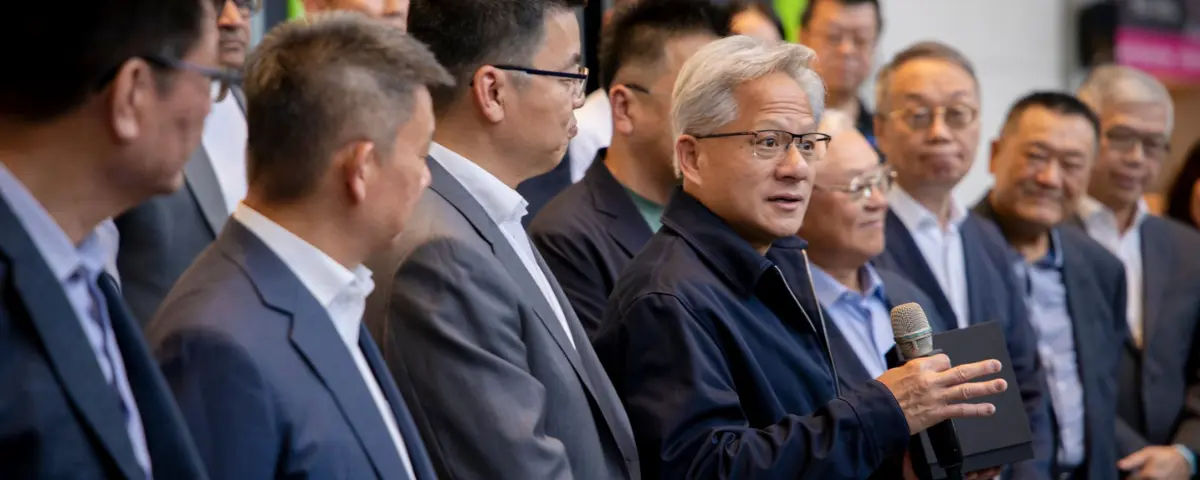
Nvidia CEO Jensen Huang is likely to join the advisory board of Tsinghua University’s business school, chaired by Apple’s Tim Cook

Nvidia CEO Jensen Huang to Join Beijing’s Tsinghua University Board
Vaibhav Jha is an Editor and Co-founder of AI FrontPage. In his decade long career in journalism, Vaibhav has reported for publications including The Indian Express, Hindustan Times, and The New York Times, covering the intersection of technology, policy, and society. Outside work, he’s usually trying to persuade people to watch Anurag Kashyap films.
Nvidia CEO Jensen Huang is likely to join the advisory board of Tsinghua University’s business school, chaired by Apple’s Tim Cook
A Cambridge-led study put leading AI models to work grading 761 undergraduate psychology essays — and found they matched human examiners only about half the time
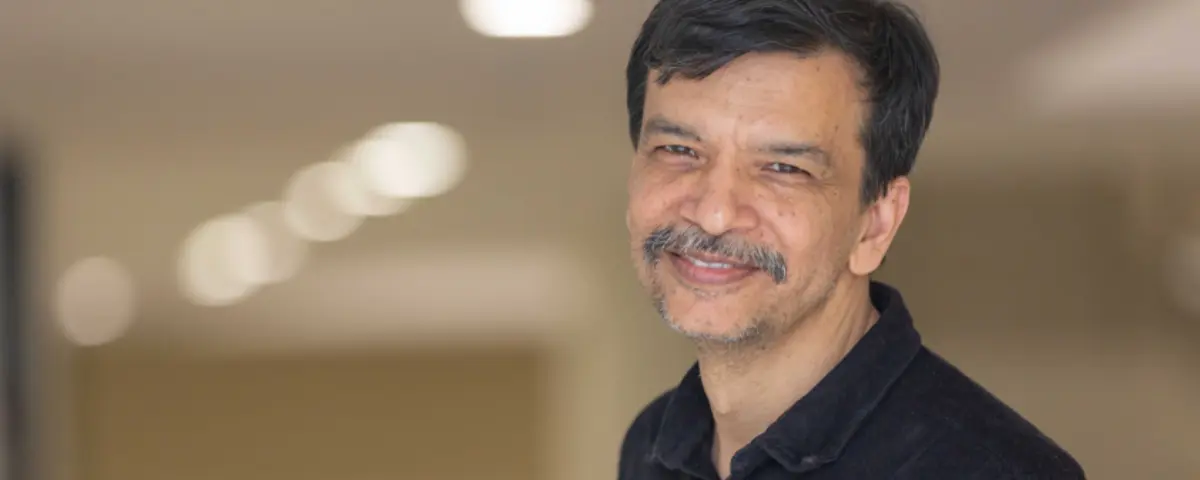
IIT Delhi Director Prof. Rangan Banerjee in an exclusive interview with AI FrontPage says the answer to AI anxiety isn’t fear.
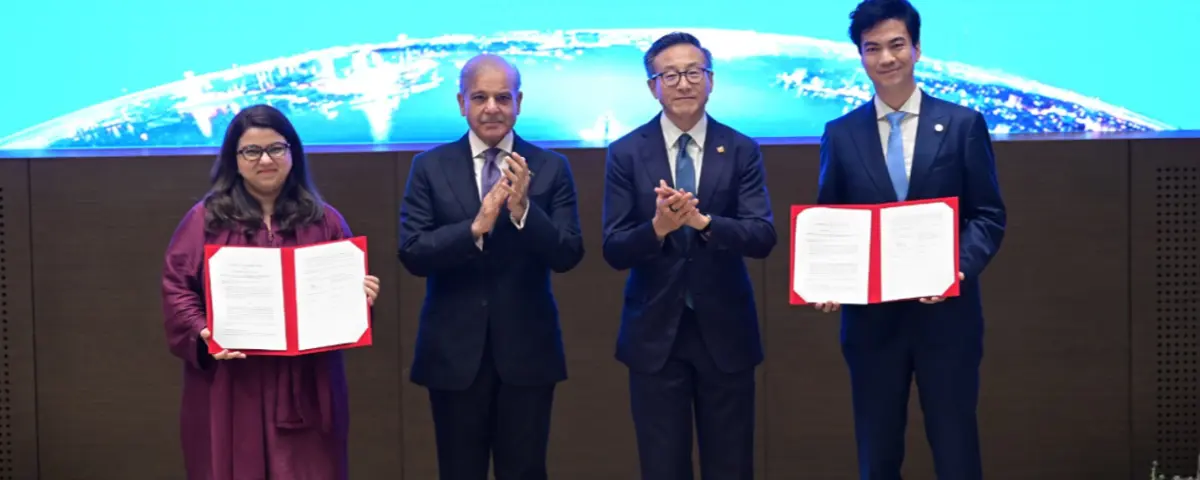
SCMP reported that PM Sharif insisted to Alibaba Chairman Joe Tsai that the agreement was to be drafted “right now.”
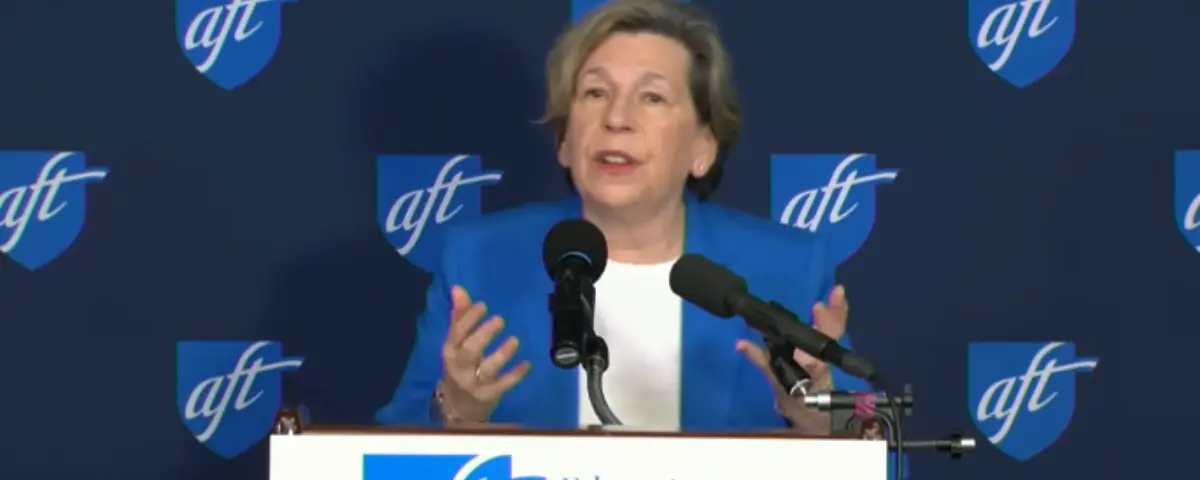
The call for ban on use of AI for elementary schools of America come in the wake of European countries introducing strict laws on the emerging technology.
The decision by ACL exposes a growing integrity problem in AI research publishing, where the use of large language models in literature review is producing fabricated references that survive peer review.
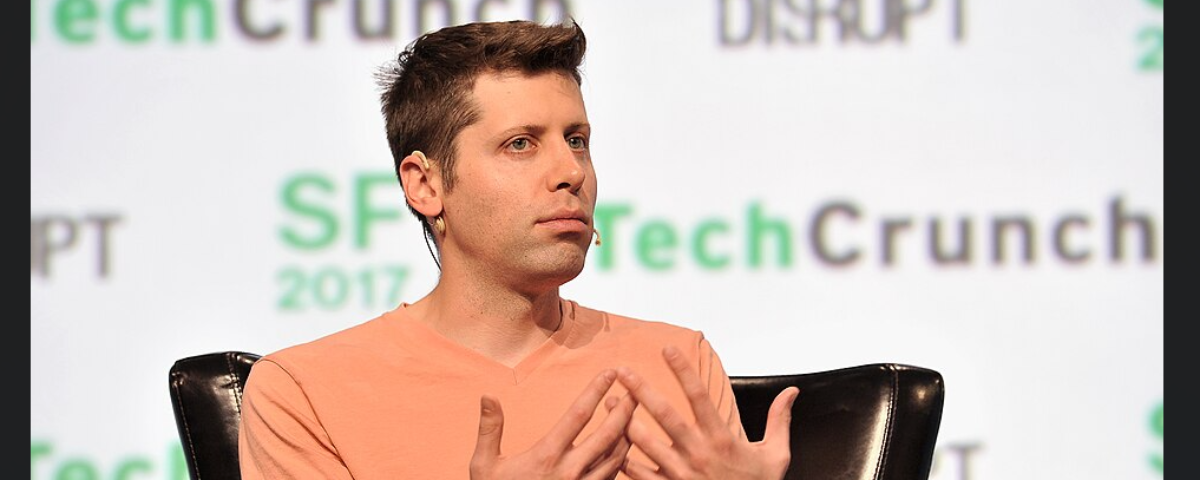
OpenAI chief Sam Altman says he is “delighted to be wrong” about AI’s short-term impact on entry-level white-collar jobs, a relief that sits awkwardly against Q1 2026, when over 100,000 tech employees were laid off globally by firms including Oracle, Meta, Amazon and Cloudflare.
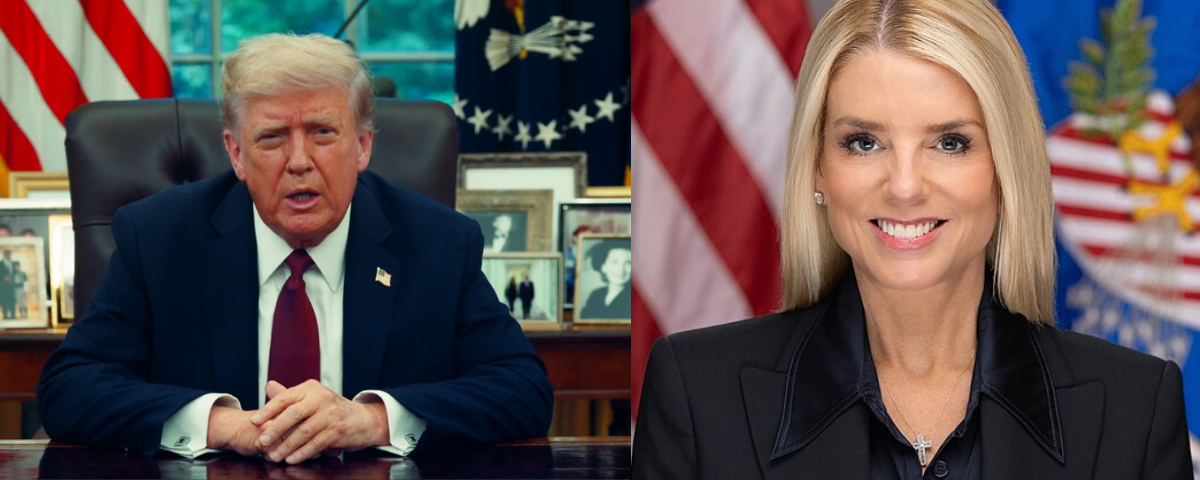
Bondi’s appointment in the CSAT comes barely a month after she was unceremoniously fired by Trump as Attorney General.
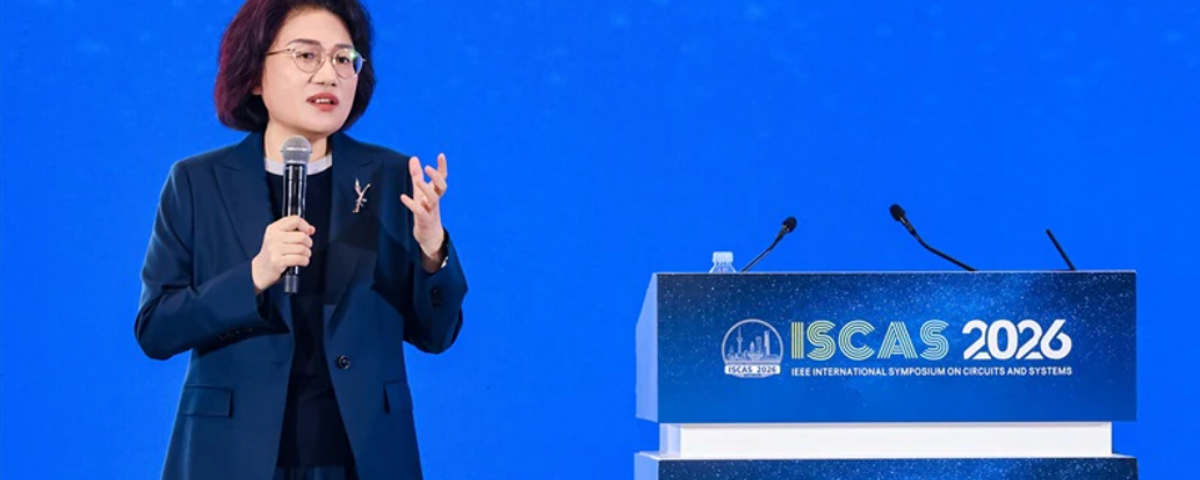
Huawei said Kirin chips due in fall 2026 will be the first to use its LogicFolding architecture. It also claimed its Tau Scaling based high-end chips could reach transistor density comparable to 1.4 nm processes by 2031.
The Creative AI Track at NeurIPS 2026 is calling for artworks and papers that examine how agency emerges, is shared, contested or constrained when humans and AI systems make things together.