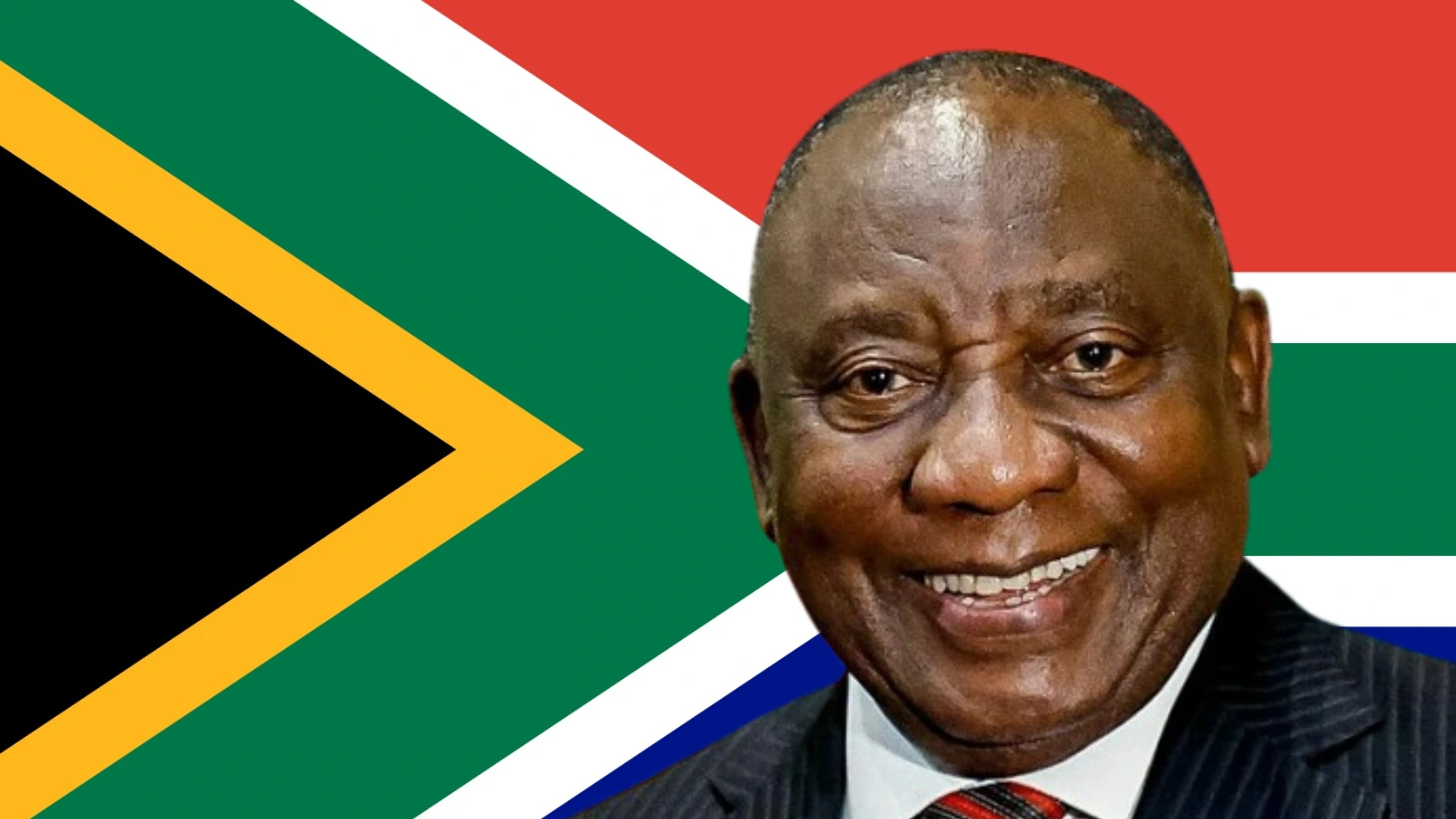
President Cyril Ramaphosa has announced plans to develop a national Artificial Intelligence (AI) Action Plan within the next 90 days, following a visit to Silicon Valley aimed at gaining insights into the practical application of AI technologies.
In his weekly newsletter, Ramaphosa highlighted the delegation’s week-long visit to the United States, which brought together representatives from leading businesses, industry and academia working to advance AI technologies.
“Following this visit, we will be developing an AI Action Plan that outlines a set of immediate priorities that will guide South Africa’s participation in the rapidly evolving AI ecosystem,” the President said.
Dear Fellow South African,
Over the course of the last week, we have been part of a South African delegation to Silicon Valley in the United States, where we engaged with representatives from businesses, industry and academia at the forefront of global advances in Artificial Intelligence (AI).
🔗 https://t.co/GrZWTVKk1o
— Cyril Ramaphosa 🇿🇦 (@CyrilRamaphosa) November 23, 2026
He emphasized the importance of turning the knowledge gained during the visit into tangible outcomes. “It would be a failure of this mission if we returned with impressive presentations, valuable contacts and exciting ideas, but without a programme to translate them into practical results,” Ramaphosa said.
“I have therefore decided that we must develop a concrete national AI action plan within the next 90 days,” he added.
Ramaphosa identified four key priorities for the action plan: using AI to improve public services, positioning South Africa as a competitive destination for AI infrastructure investment, strengthening domestic AI capabilities and preparing the country for the risks and disruptions associated with AI adoption.
The delegation included at least 30 students from universities and Technical and Vocational Education and Training (TVET) colleges, alongside technology start-up founders and entrepreneurs working in South Africa’s AI ecosystem.
The students participated in events at Sacramento State University and visited the headquarters of Cisco, Palo Alto Networks, Google and Alphabet.
Ramaphosa noted that while AI adoption by South African businesses and individuals continues to grow, a “successful shift to AI will require more than just access to the tools”.
“For a country with high levels of poverty, unemployment, inequality and uneven access to services, AI offers an extraordinary opportunity to accelerate development. In doing so, we have to manage both opportunity and risk,” he added.
He also stressed the need to ensure that the development of advanced AI systems is accompanied by effective safeguards, independent evaluation and appropriate governance.
The President also pointed to the need for skills development to match technological change. He further emphasized that the country needs to strengthen its own cybersecurity capabilities and protect its critical national infrastructure.
He also highlighted the need for legal and regulatory frameworks that encourage innovation while protecting privacy, intellectual property, human rights and the public interest.
South Africa published a draft National Artificial Intelligence (AI) Policy for public comment on 10 April 2026. However, Communications and Digital Technologies Minister Solly Malatsi announced the withdrawal on 26 April after fictitious academic references were identified in the document.
Referencing Pixley ka Isaka Seme’s 1906 speech, The Regeneration of Africa, President Ramaphosa reaffirmed the government’s commitment to placing technology at the service of all South Africans.
He said government would continue to learn from countries already adopting AI to shape South Africa’s own approach.
Also Read: China To Answer The Call of Global South: Xi Jinping Bats for a New World Order on AI