The AI CEOs of several major artificial intelligence companies have urged members of Congress to make screening and maintenance of records for synthetic nucleic acid mandatory, citing growing biosecurity concerns amid rapid developments in artificial intelligence.
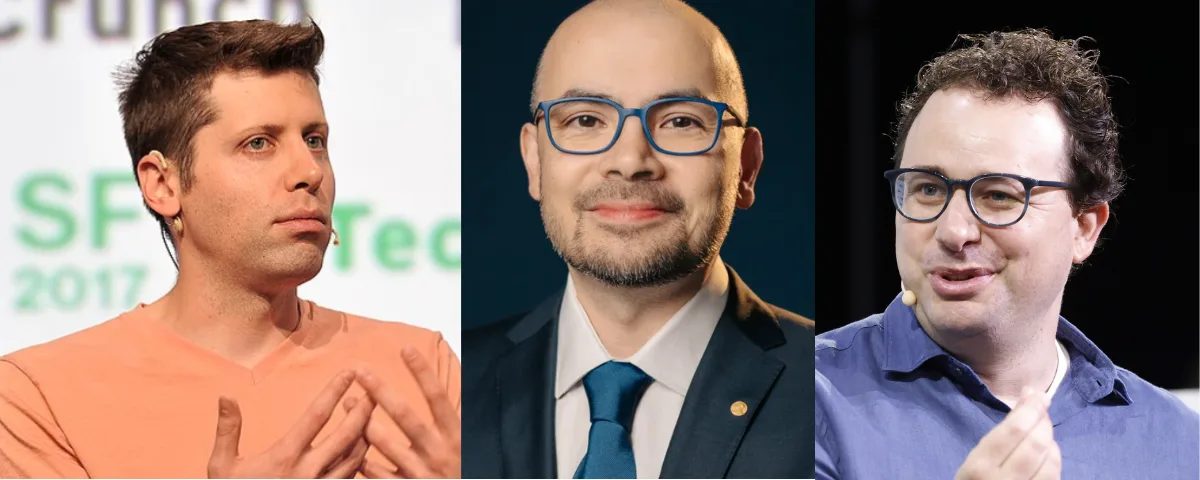
In a letter titled “In support of mandatory nucleic acid synthesis screening and record keeping” OpenAI’s Sam Altman, Anthropic’s Dario Amodei, Google DeepMind’s Demis Hassabis and many other experts have argued that while synthetic DNA technology has sped up vaccine development and expanded excess to scientific research but it also poses potential security risks if misused.
“As life sciences researchers, builders of AI and biotechnology, and experts with a wide range of views on how to approach AI policy, we call on legislators to make screening of orders for synthetic nucleic acids- and the equipment needed to make them mandatory,” read the letter.
The letter stressed that the ability to order synthetic DNA online has accelerated vaccine development, powered basic research and made it possible for small teams to access capabilities which used to be limited to major institutions. It further highlighted that it has been more than two decades since the publication of protocols to reconstruct viruses from the strands of DNA, a “bad actor” which can be harmful has been recognized in the biotechnology supply chain.
“Recognizing the vulnerability, synthesis companies formed the international Gene Synthesis Consortium in 2009 to develop and implement voluntary safeguards against misuse,” the letter informed.
“AI systems now outperform PhD level virologists on questions about highly technical laboratory procedures in their own domains of expertise. The evidence about what this means for present-day biosecurity threats is genuinely mixed, but the trend is hard to dispute,” the letter mentioned.
According to a survey by Precedence Research the global gene synthesis market size is valued at USD 4.00 billion in 2025 and is predicted to increase from USD 4.95 billion in 2026 to approximately USD 32.97 billion by 2035, expanding at a CAGR of 23.48% from 2026 to 2035. North America accounted for the highest revenue share of 39% in 2025.
Also Read: Florida Attorney General Sues OpenAI, Sam Altman Over ChatGPT Safety Claims