Journalism begins where hype ends

,,

"Any sufficiently advanced technology is equivalent to magic"

— Arthur C. Clarke

Why is Indium Phosphide Crucial for AI Chips and Why China Wants Supreme Control?

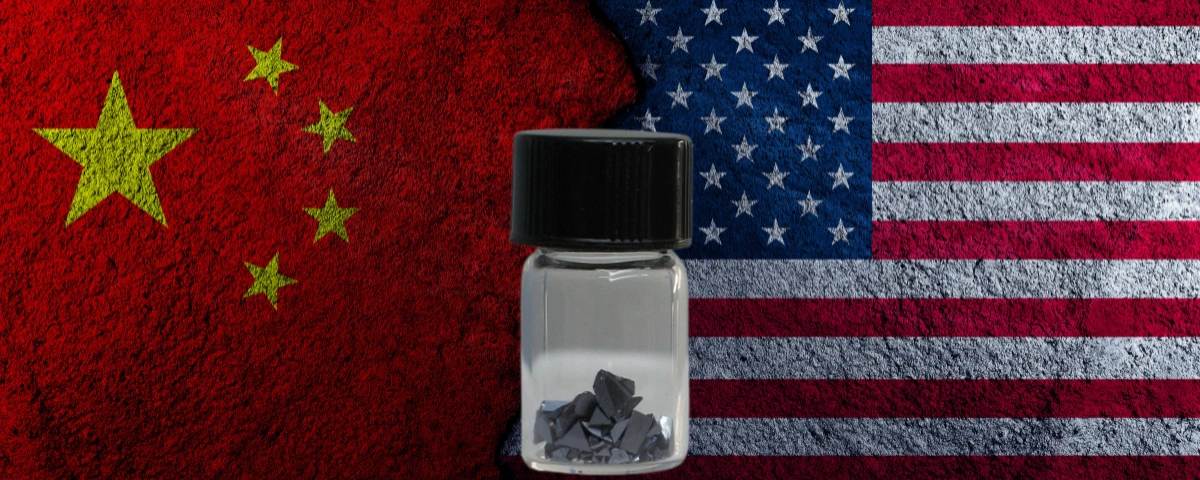
Indium phosphide has become a flashpoint in the US–China technology contest: China controls most of the world's indium supply, while the wafers themselves are made largely by firms in Japan and the United States. (Image: AI FrontPage / representational)

Indium phosphide, a compound semiconductor made from indium and phosphorus, has become a critical enabler of the optical chips that move data inside AI data centres.

China’s Indium Phosphide Curbs Threaten U.S. AI Data Centre Expansion

According to a Reuters report, the curbs put by Beijing on export and licensing of indium phosphide emerged as a significant threat to the US AI industry, with fears of delay in building next-gen AI data centers.

As companies move towards Photonics-based systems that utilize light (rather than traditional electrical signals) to transmit high volumes of data in AI infrastructures, indium phosphide has gained a lot of relevance.