Journalism begins where hype ends

,,

The danger of AI is not that it will become conscious and hate us, but that it will become competent and ignore us."

—Eliezer Yudkowsky

Explained: How NVIDIA Became the Company Every AI Model Depends On

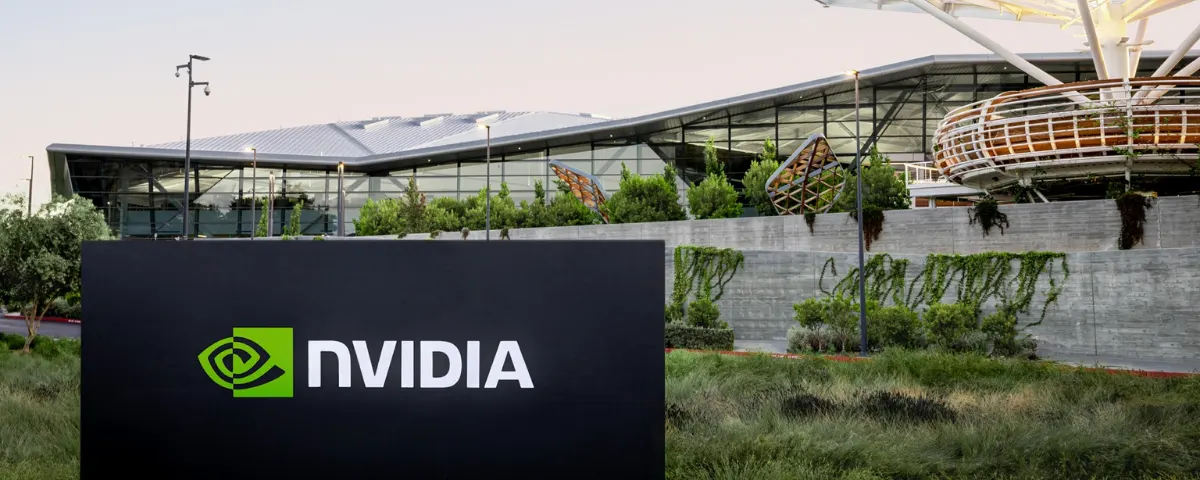
NVIDIA's headquarters in Santa Clara, California. The chipmaker, which briefly crossed a $5.5-trillion market capitalisation in May 2026, holds an estimated 95% share of the AI GPU market. (Image: NVIDIA)

From rendering video game graphics to powering nearly every AI model on the planet, NVIDIA’s rise is no accident. We break down the three-decade stack of bets — GPUs, CUDA, and now open models — that made one chipmaker the most valuable company in history.

Your AI Might Reveal Your Secrets Under Pressure: New Paper at ICML 2026

A new ICML 2026 study found 17 of 24 frontier AI models fail to protect user privacy under adversarial pressure. (Representational image)

Your AI chatbot may be polite, helpful — and terrible at keeping your secrets. A new study accepted at ICML 2026 pressure-tested 24 of the world’s leading AI models through 904 adversarial conversations and found that 17 of them fail to protect user privacy when pushed.

Exclusive: 14 Indian-Educated Researchers Crack ICML 2026’s Elite Orals- Top 0.7% of World AI Research

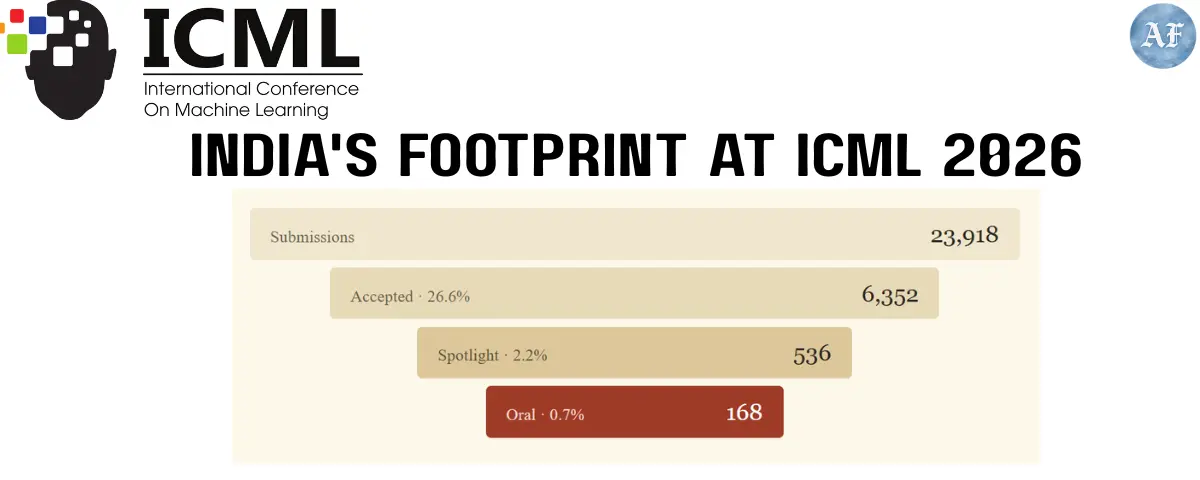
ICML 2026 accepted 6,352 of 23,918 submissions; AI FrontPage's analysis found Indian-educated researchers on papers across the conference's two highest tiers.

An AI FrontPage analysis of all 536 spotlight-tier papers at ICML 2026 — the world’s premier machine learning conference — found 40 researchers educated at Indian institutions, including 14 whose papers earned the coveted Oral designation given to just 0.7% of nearly 24,000 submissions.

On a $2,500 grant, a Chandigarh researcher just cracked ICML

Kunvar Thaman, 26, an independent AI researcher from Chandigarh, became the third solo independent author to land a paper at the International Conference on Machine Learning (ICML) since ChatGPT launched in 2022. His research, funded by a $2,500 grant from Indian non-profit Exception Raised, evaluated 13 frontier AI models from OpenAI, Anthropic, Google and DeepSeek for "reward hacking" — instances where AI models cheat to complete tasks instead of solving them honestly.

Kunvar Thaman’s research asks a question the AI industry would rather not answer: how often do frontier models cheat?