A routine release at Anthropic exposed 512,000 lines of Claude Code through a source map file, allowing developers to reconstruct and analyze large parts of its internal architecture.

A routine release at Anthropic exposed 512,000 lines of Claude Code through a source map file, allowing developers to reconstruct and analyze large parts of its internal architecture.
Anthropic has signed a non-binding AI safety pact with the Australian Government, combining research funding, system transparency, and data centre alignment as part of the country’s National AI Plan.
Yuanjie has filed for a Hong Kong IPO following a regulatory action by the Shaanxi Bureau of the China Securities Regulatory Commission, with shares surging days after the filing amid strong market momentum and an AI infrastructure boom.
A federal judge in San Francisco has granted Anthropic a preliminary injunction in its lawsuit against the U.S. Department of Defense, blocking a Trump administration directive that every federal agency would ban the use of Anthropic AI system, Claude.
A Chinese national and two U.S. citizens charged for conspiring to smuggle restricted AI technology to China via Thailand. In a separate crackdown, U.S. citizen and co-founder of Super Micro and two Taiwanese nationals arrested for diverting AI servers to China.
OpenAI has wound down its Sora short-video app amid criticism over low-quality “AI slop” content flooding the platform. At the same time, a high-profile $1 billion partnership with Walt Disney has reportedly fallen through before completion.
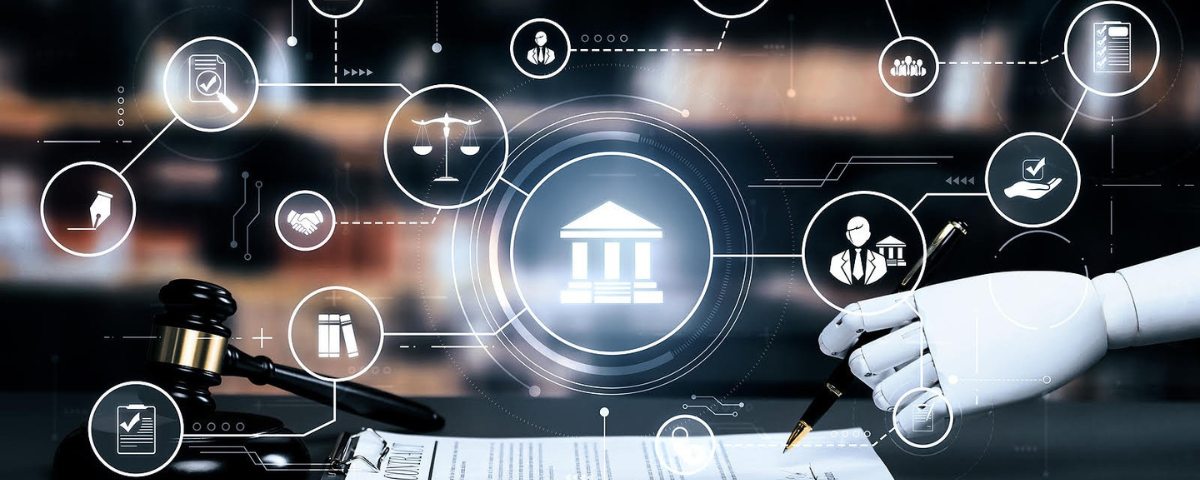
AI was built to reduce risk. But as its use spreads, its risks are becoming measurable and costly. Munich Re, a Germany-based global reinsurer and one of the largest in the world, marks a turning point: AI is now a risk category being priced and insured.ng priced, managed, and insured.
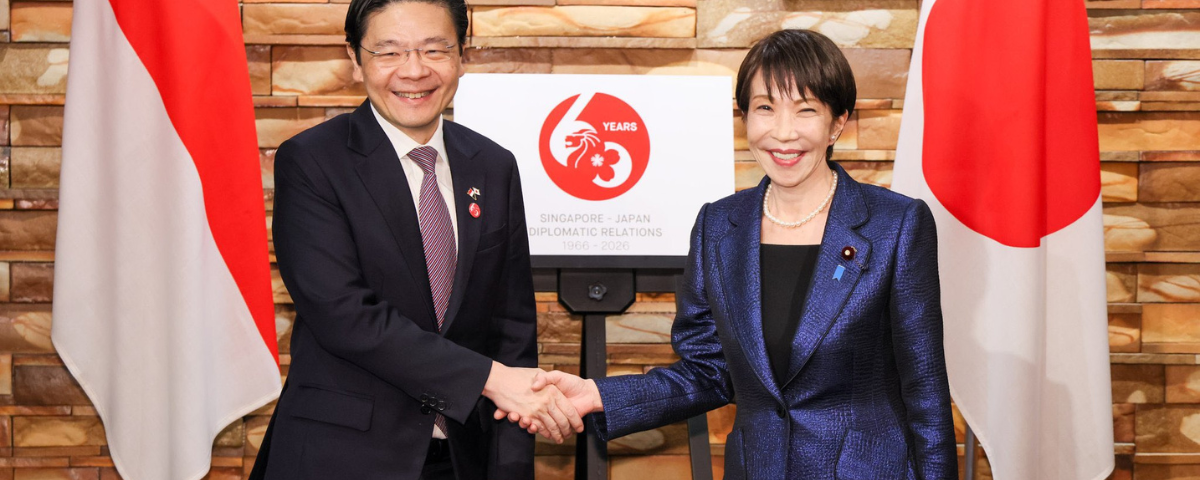
ingapore and Japan are strengthening cooperation in artificial intelligence, with a focus on safety, governance, and models that respect local languages and cultures.
GTC 2026 marks a shift in the AI race – away from model building and toward real-world deployment at unprecedented scale.
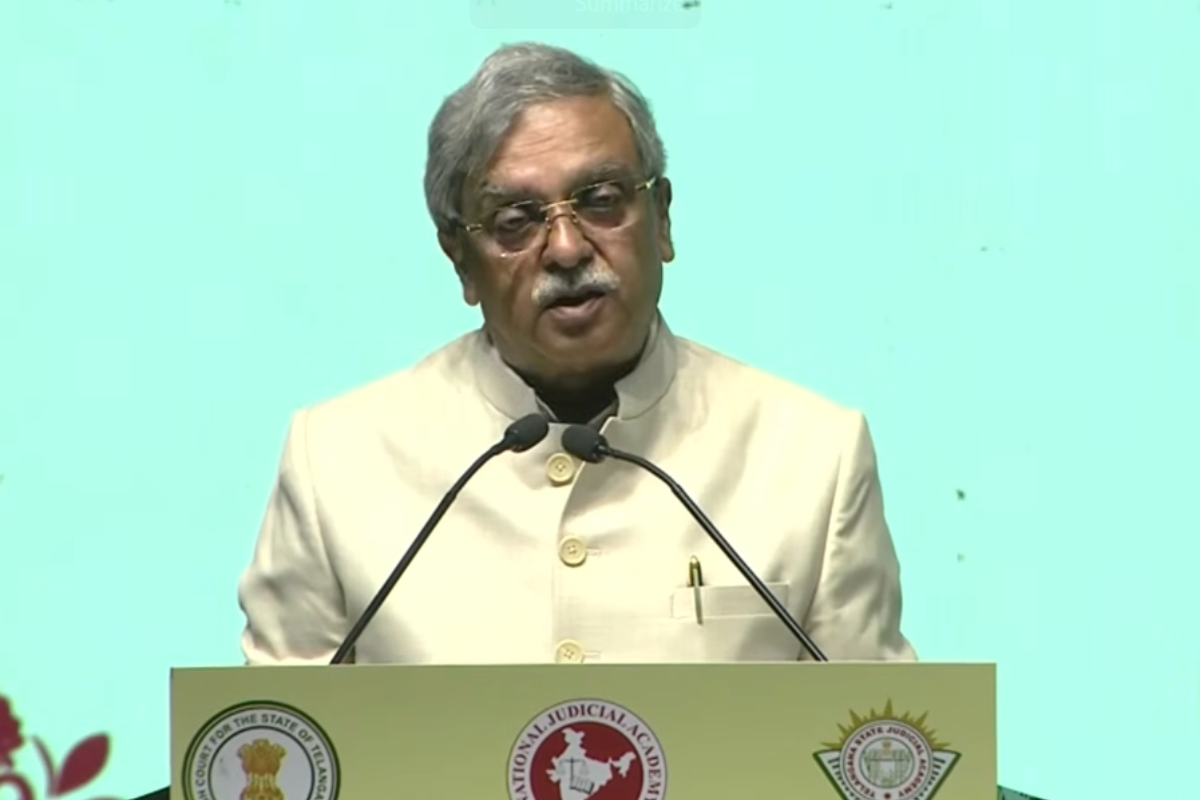
India’s Supreme Court judge Vikram Nath warned that AI must remain a tool in the legal system. While technology can improve efficiency, he said it cannot replace human judgment in the administration of justice.