Journalism begins where hype ends

,,

The danger of AI is not that it will become conscious and hate us, but that it will become competent and ignore us."

—Eliezer Yudkowsky

Andrew Ng Maps 4 Key AI Engineering Skills Developers Need in 2026

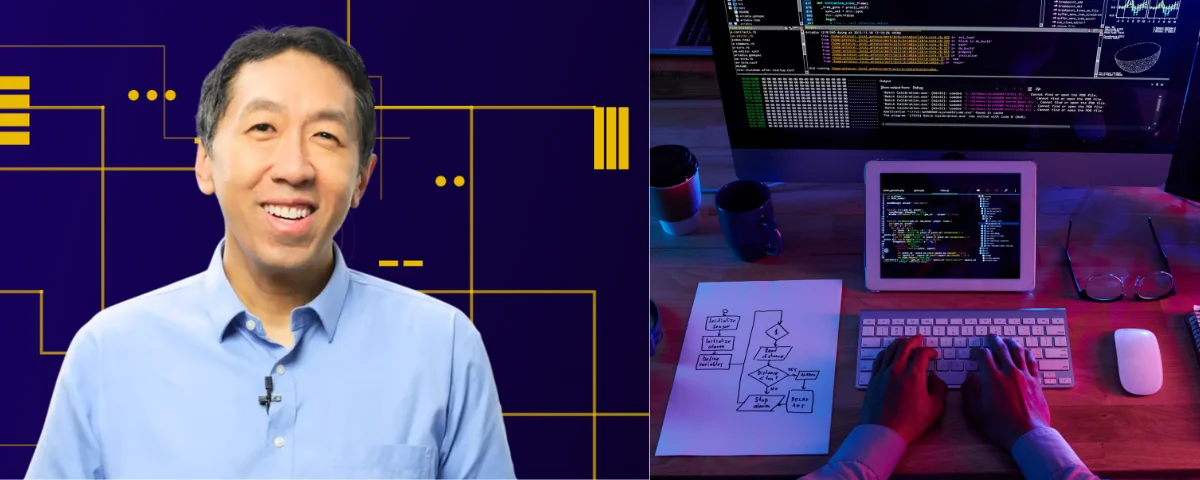
Andrew Ng, co-founder of Google Brain and Coursera, presents The AI Engineering Skills Map highlighting the four critical competencies developers need as AI transforms software engineering.

Andrew stressed that the aim is to help developers prioritise the skills they need to learn and help employers identify skilled developers.

India Faces Limited AI Job Risks, Productivity Gains Could Outpace Losses: Goldman Sachs

Construction and retail jobs involve many physical tasks, making them less directly exposed to AI, while services face greater potential disruption, according to Goldman Sachs.

India is less exposed to AI-driven job risks than many other countries because a large share of its workforce is engaged in physical or mechanical tasks, according to Goldman Sachs Chief India Economist Santanu Sengupta. Construction and retail trade together account for about 40% of the workforce.

AI Raises Risks for Jobs as Global Youth Unemployment Rises: UN Labour Agency

A young job seeker sits under an urban overpass with a “Looking for a Job” sign, reflecting growing barriers to employment for young people as global job creation slows.

The report highlights how AI-driven automation is putting entry-level jobs under growing pressure, raising concerns about opportunities for young and early-career workers amid weak economic growth and diminished job creation.

16 Nobel Laureates Sign “We Must Act Now” on AI Economic Upheaval

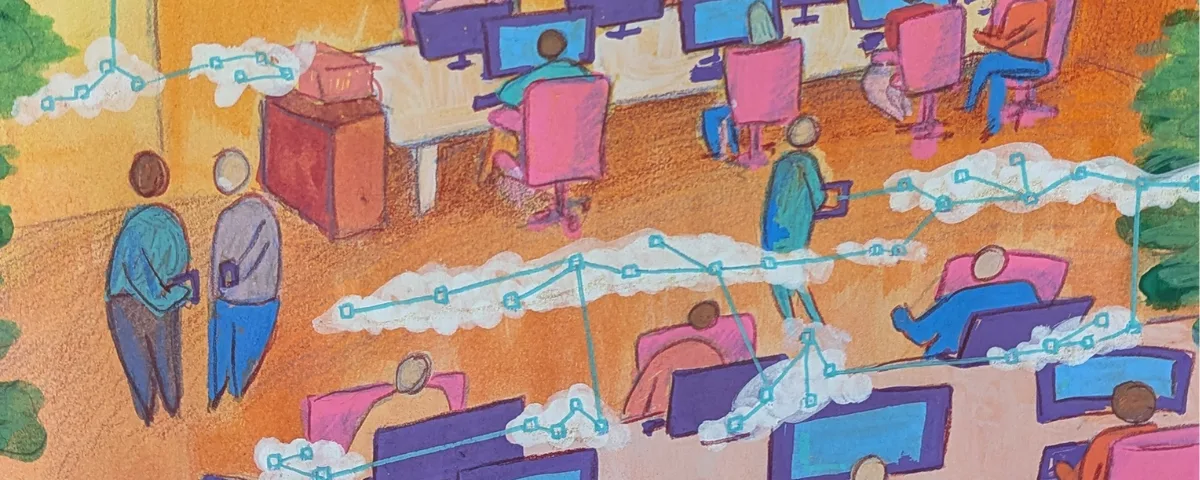
Over 200 economists and AI researchers, including 16 Nobel laureates, sign "We Must Act Now" letter urging governments to prepare for AI's economic impact. Pic Credit: Better Images of AI Jamillah Knowles & Digit

Sixteen Nobel laureates, including Daron Acemoglu, Joseph Stiglitz and Paul Krugman, have joined over 200 economists and AI researchers in signing “We Must Act Now,” a Stanford-led statement warning that AI could reshape the global economy on a scale greater than the Industrial Revolution, but in a fraction of the time.