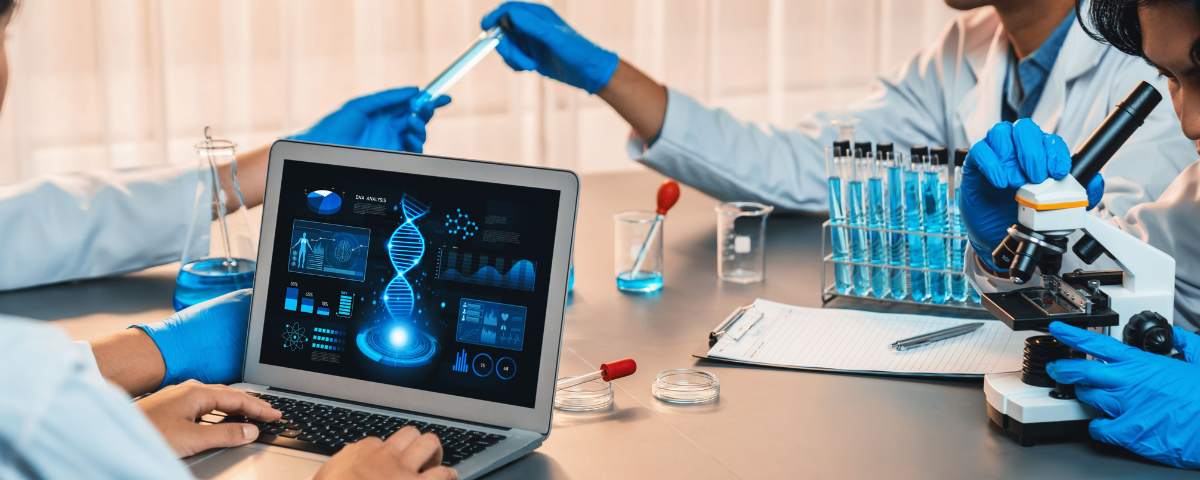
The OpenAI Foundation has announced a $100 million in grants to six leading research institutes for early diagnosis, disease mechanism insights, drug discovery for Alzheimer’s disease, leveraged by artificial intelligence (AI).
OpenAI Foundation, a non-profit that controls and governs the OpenAI group, said in a statement released on Wednesday, that their goal is to “help scientists invent new tools to finally prevent and treat Alzheimer’s.”
Alzheimer’s, a neuro-degenerative disease with no cure, affects millions every year despite years of extensive research into gene therapy and protein design studying by scientists.
“Alzheimer’s does not appear to be driven by a single cause, but by the interplay of genetic risk factors, protein misfolding, inflammation, synaptic dysfunction, and more—interacting with environmental factors over decades and all unfolding in the brain,” read the statement from OpenAI Foundation.
OpenAI Foundation is taking an end-to-end approach to tackling Alzheimer’s with AI.
We’re supporting the full spectrum of work — from early diagnosis and better understanding of the disease, to accelerating new drug discovery.
This month, we’re finalizing over $100M in grants…
— Wojciech Zaremba (@woj_zaremba) April 8, 2026
OpenAI Foundation believes that with a disease as complex as Alzheimer’s, AI can be an efficient tool to study data, find new drug targets and assist humanity in its race to find a cure for the disease.
“AI is uniquely suited to confront this complexity, with its ability to reason across different types of data—including patient clinical symptoms, biological markers of disease, screens of drug candidates, and more,” said OpenAI Foundation.
The $100M grant will be finalized in April 2026 and the OpenAI Foundation hasn’t made public the names of six research institutes. However, it outlined their “five layer stack” strategy to support Alzheimer’s research by collaborating with different medical research institutes and non-profits.
“The first layer is to create a “causal map” of Alzheimer’s using AI to map the full network and find most effective nodes for case based therapeutic intervention. For this, we have collaborated with Arc Institute,” read the statement.
The foundation also announced collaborations with the UW Medical Institute for Protein Design, to help testing and designing of new drugs using AI. Similarly, they have also announced teaming up with EvE Bio, a non-profit, to support open data sets to predict drug activity and with University of California, San Francisco (UCSF) to “establish new biomarkers for disease, improving diagnosis and how clinical trials are run.”