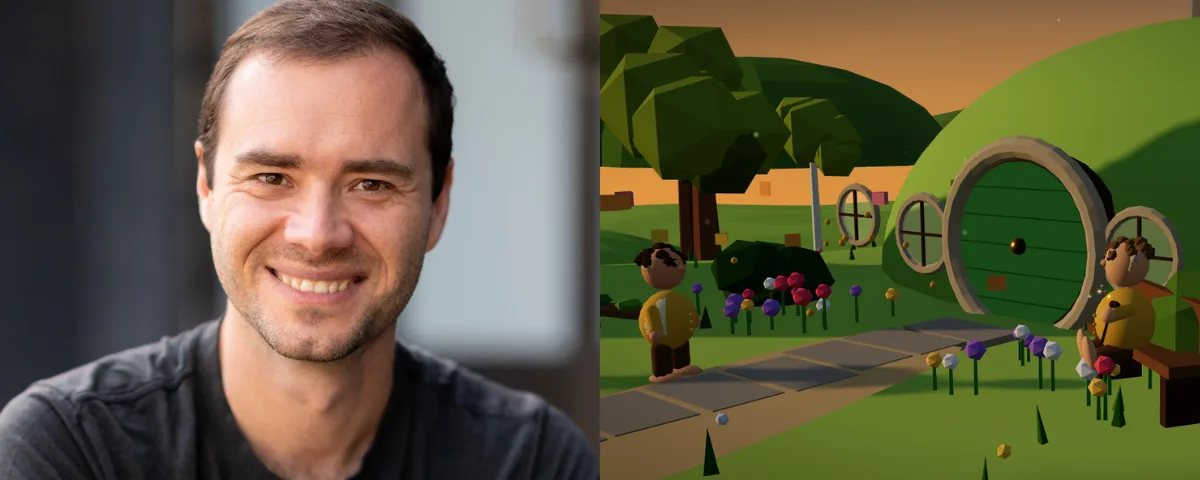
Renowned AI researcher Andrej Karpathy has hinted at a future of on-demand AI-customized gaming worlds, after Claude Opus 5 generated 5,500 lines of code to turn the opening of Lord of the Rings into a 3D animated world from scratch.
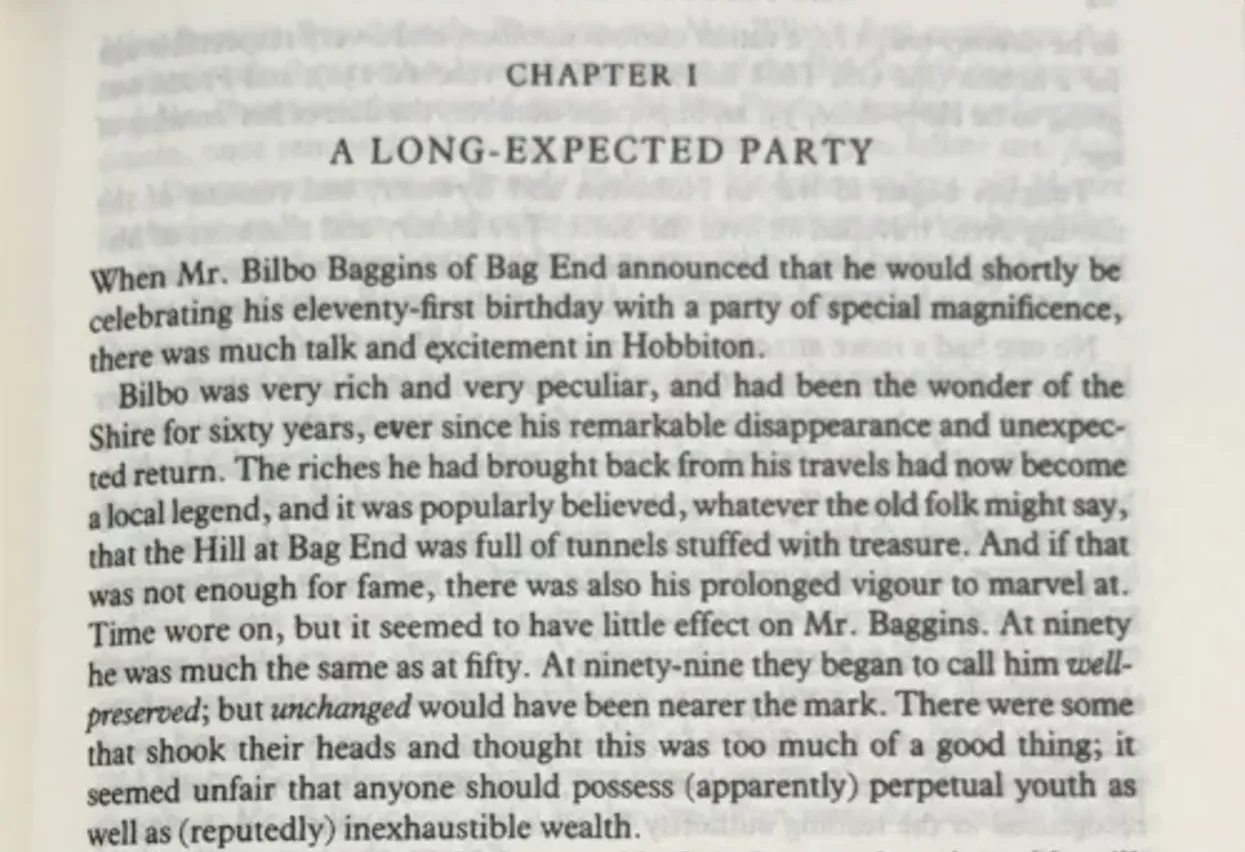
Sharing a 1 minute 32 seconds long “low-poly” 3D video, Karpathy, the co-founder of OpenAI who currently leads a pre-training group at Anthropic, said it took 2 hours and 1 million token budget (roughly $10) for Claude Opus to write 5,500 lines of Three.js code after it was fed the first paragraph of the first chapter ‘A Long Expected Party’ in JRR Tolkien’s Lord of The Rings.
The AI model generated an entire 3D animated world including hills, rivers, dungeon, treasure, hobbit door, characters and timing of the animation and text audio.
We’re starting to leave the territory where you’d test an LLM by e.g. “create an svg of pelican on a bicycle”. As one idea to generalize it, I was interested what Opus 5 would do if I gave it the first paragraph of the Lord of the Rings, a 1M token budget (~$10) and asked for… pic.twitter.com/ybIpXhYSsj
— Andrej Karpathy (@karpathy) August 2, 2026
Hinting at a future where AI will create hyper-custom worlds and games on demand, Karpathy said, “’I’m excited about creating hyper custom worlds that you can imagine dropping players into, e.g. here to participate in the LoTR story as a spectator NPC, or one of the characters, or etc. Something like an ephemeral GTA of X on demand.”
Karpathy’s comments hint towards a future of AI-embedded, highly customized gaming industry where users will get an opportunity to merge the epic-fantasy tale of JRR Tolkien with their favorite Grand Theft Auto (GTA) video game.
Karpathy argues that short-lived, hyper-custom video games could become a possibility in near future given AI models have “all the time in the world” to write animation codes based on prompts, unlike human coders.
However, Karpathy was also skeptical about Large Language Model (LLMs)’s performance in the gaming world as he said AI find it difficult to audit their work.
“They (LLMs) can’t easily audit their work because they aren’t able to efficiently and natively perceive videos or play games within them. Here, Opus 5 had to very slowly and painstakingly take screenshots at different points, and it messed up a few times and created a bunch of jank. An example of raw capability (multimodal, gameplay) that I think is still quite lacking.”
What’s The Hype About Karpathy’s LOTR Low-poly 3D Video?
According to Karpathy, the AI model (Claude Opus 5) was given only the first paragraph of LOTR opening and a $10 budget token window. The model wrote 5500 lines of code from scratch rendering in Three.js the entire 3d world from words. The AI model did not rely on a human artist made 3D model or blender files/stock assets.
The video was generated by pure code, from scratch.
Karpathy compares the advancement of AI by remembering the time when developers used to give a simple task to LLMs to draw a scalable vector graphic (SVG) of a “pelican riding a bicycle”, to check if AI could understand shapes, positions and relationship between objects.
Karpathy’s experimental video on LOTR opening shows how far AI has travelled in its capabilities. You can watch the video here.
AI has already made in-roads in the gaming industry, be it in the research, design and animation process or managing the “gaming rooms”- this technology is cutting costs and making games sharper.
A report by Reuters says world gaming industry is poised to unlock $22 billion in profits by AI-driven cost cutting, as per a Morgan Stanley report. Another report says 30% of gaming developers use AI in their creative work. What Karpathy suggests is that despite its current shortcomings, LLMs can democratize the otherwise slow and cost-heavy gaming industry by allowing anyone to create a hyper-custom gaming world.
Also Read: “Remove AI and STAN Stops Existing At This Scale”: Parth Chadha on Gaming’s New Backbone