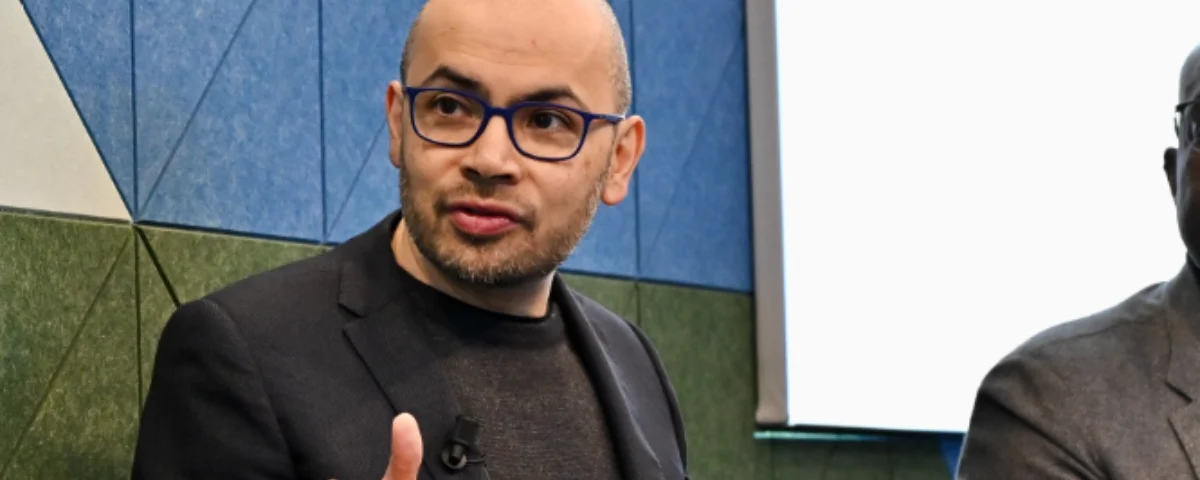
Demis Hassabis, CEO of Google DeepMind, has called for setting up of a new Standards Body for Frontier AI models, hinting towards the need for robust safeguards and set benchmarks for Large Language Models (LLMs) to “qualify for frontier class” and has suggested U.S. as a host country for the body.
In a detailed statement published on his official social media accounts, Hassabis has suggested the need for robust safeguards to maintain control of “increasingly agentic, recursively self-improving systems”.
For the Frontier AI Standards Body, Hassabis has proposed a federally overseen public-private partnership or self regulatory organization on the lines of Financial Industry Regulatory Authority (FINRA).
“The rapid progress we’re seeing in AI requires a new approach to testing frontier AI model capabilities that is dynamic, adaptable, and rigorous. The US is well positioned, given its economic and technical standing, to take the first step in developing such a framework…” read the statement from Hassabis.
— Demis Hassabis (@demishassabis) July 14, 2026
Explaining the work domain of Frontier AI Standards Body, Hassabis said that the board will consist of independent leading technical experts and open-source representatives, and will qualify LLMs as Frontier AI class only when they meet certain set benchmarks.
“Organizations with ‘Frontier Models’ as defined by those benchmarks would be deemed ‘Frontier Labs’, and be encouraged to adopt best practices, such as publishing model cards with technical details, maintaining strong internal cybersecurity, vetting key personnel, and providing sufficient resourcing for safety and security research, and more,” said Hassabis.
Hassabis’ statement comes in the wake of recent controversy over the cybersecurity risks posed by Frontier/Flagship AI models like Claude Fable and Claude Mythos of Anthropic and GPT 5.6 model of OpenAI and the recent export control put by the US government on them.
Hassabis has also suggested a “coordinated slowdown” or pause on Frontier AI research by AI companies if deemed necessary by the Standards Body.
Incidentally, a few weeks ago, Dario Amodei CEO of Anthropic had also called for a collective pause on Frontier AI research with his company claiming that their LLMs might reach fully recursively self-improving stage.
“The strength of this approach is it would be technically focused, while at the same time supporting innovation and incentivising responsible behaviour. It is designed to keep up with the field’s acceleration and adapt to the biggest risks as they are identified, and could be ratcheted up if the seriousness of the situation demands, including coordinating a slowdown in development among the Frontier Labs if deemed necessary,” said Hassabis.
In the policy position he wrote, Hassabis explained that AGI is likely to transform the world similarly to the invention of electricity or fire, providing people with additional opportunities for improving medicine, conducting scientific research, producing clean energy and increasing rates of economic productivity. However, he also mentioned that using the highly advanced AI systems may create a variety of cybersecurity, biological and national security concerns if they are used without proper regulations.
US based Tech/AI Industry Welcomes Hassabis’ Proposal
The proposal set by Hassabis for Frontier AI Standards Body has been welcomed by the likes of Sam Altman, CEO of OpenAI, Mustafa Suleyman, CEO of Microsoft AI, Satya Nadella, CEO of Microsoft, Sundar Pichai, CEO of Google and Jack Dorsey, co-founder of Twitter (now X).
“An important piece from Demis. We need more of this kind of thinking. A good reminder that the goal is a frontier ecosystem that promotes innovation and choice, while avoiding any one model drop that breaks the world!,” said Nadella on X.
An important piece from Demis. We need more of this kind of thinking. A good reminder that the goal is a frontier ecosystem that promotes innovation and choice, while avoiding any one model drop that breaks the world! https://t.co/y9S2JQB3aD
— Satya Nadella (@satyanadella) July 14, 2026
However, there has been no official response from any China based AI companies’ representatives on his statement yet.
US First Choice for Frontier AI Standards Body But What About China and Rest of the World?
According to Hassabis, the Standards Body will be non-partisan and consist of independent international researchers.
“Being designated a Frontier Lab would carry significant prestige and be open to any organisation by building models that meet the benchmark criteria. The framework could apply to Frontier-class models no matter their country of origin or whether they are open or closed, but any non-frontier models, say from startups or academia, would be exempt from this process,” said Hassabis.
However, it’s easier said than done with China in the picture and middle power countries like UK, France, UAE and India also attempting their sovereign AI models. In the wake of U.S. government imposing export control over Claude Fable and Claude Mythos AI models citing national security, countries like France, UK and Canada have openly criticized the step and stressed on the need to develop sovereign AI systems to reduce dependence on US based AI companies.
Also Read: Explained: Why is Anthropic Calling for a Global Pause on Frontier AI?