The decision by Anthropic AI to exclude itself from the signatories list in an open letter to Congress by US based tech/AI companies advocating for ‘open-weight’ AI models and a shared AI ecosystem, has prompted scrutiny in the tech and policy corridors of the U.S.
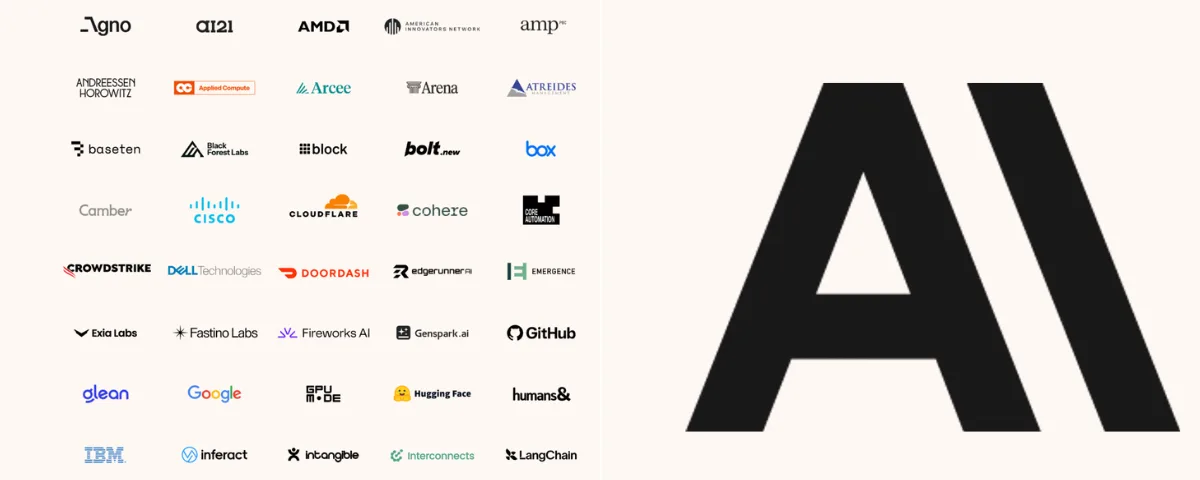
On July 24, over 20 tech/AI companies signed an open letter titled ‘Open Weights and American AI Leadership’ wherein use of open-weight AI models were advocated.
Initially, companies like NVIDIA, META, CrowdStrike, Microsoft and IBM were part of the signatories, however over the past weekend, over 75 companies including Google, OpenAI, SpaceX, Perplexity have joined the list.
NVIDIA CEO Jensen Huang, Microsoft CEO Satya Nadella, SpaceX CEO Elon Musk, Perplexity CEO Aravind Srinivas among others have vouched for the letter on their social media handles.
The list now has every major tech/AI company in U.S. except for Anthropic AI, the creators of Claude Mythos and Claude Fable LLMs.
David Sacks, co-chair of the President’s Council of Advisers on Science and Technology, has been a vocal critic of Anthropic AI. In a post on X, he claimed that Anthropic is on to “kneecap” open-source and mentioned some speculative defensive statements that Anthropic might use in its defense, as per Sacks.
The entire tech industry (save for Anthropic) has come out in favor of open source AI.
So what happens next? Will Anthropic change its lobbying efforts? Not likely. Now the gaslighting begins:
“Nobody is trying to ban open source.”
“We just want to limit who can use it.”
“We…
— David Sacks (@DavidSacks) July 26, 2026
“The entire tech industry (save for Anthropic) has come out in favor of open source AI. So what happens next? Will Anthropic change its lobbying efforts? Not likely. Now the gaslighting begins…the net effect will be the same. They won’t stop until they kneecap open source. The rest of the industry needs to watch these guys like a hawk,” said Sacks.
Why are Tech Companies Advocating for Open-weight AI models?
The open letter addressed to the Congress advocated open-weight AI models i.e. such AI models that can be downloaded, inspected, customized and run on local servers unlike closed source models that can be only used via the developing company.
The letter draws parallel to the 1980s open-source software movement that led to present day internet and underlies systems that are supported by the same software developed by a global open source community. Advocating a similar approach towards AI, the tech companies said that the U.S. government should promote open-weight AI models rather than letting advanced AI technology be consolidated with few companies.
“Open weights expand access to the AI economy. Startups, established businesses, universities, and public institutions can build on advanced models without training one from scratch or paying frontier model prices for every task. Open weights let every organization match the right model to the right job at the right cost, reserving frontier-scale capability for genuine frontier problems and running efficient, specialized models everywhere else,” read the joint statement.
Why Anthropic Might Not Sign the Open-Weight AI Letter to Congress?
A section of the letter also talks about the importance of shared resources to boost the AI ecosystem and advocates for “distillation”- a technique where a lesser capable AI model trains on a superior AI model.
“In shaping this ecosystem, policymakers should be careful not to conflate legitimate model-development techniques with misappropriation. Distillation, or the practise of using one model’s output to help train or improve another, is a widely used technique for model improvement, evaluation and validation. It reflects a long tradition of learning from, building upon, and improving existing technologies, a tradition that has helped drive innovation since the existing technologies, a tradition that has helped drive innovation since the rise of open source software movement,” read the letter.
Anthropic AI has accused three China based AI companies Deepseek, Moonshot and Minimax, running “industry-scale” distillation campaigns to extract information from its Claude model to train their individual LLMs.
Of late, the launch of Kimi K3, world’s first open-weight 3T AI model caused flutters in the US policy corridors as Michael Kratsios, US President Donald Trump’s Science and Technology adviser, accused Moonshot AI of “theft” claiming that the company had developed a “sophisticated internal platform” to conduct large scale distillation against US models especially Anthropic’s.
However, the open letter by tech/AI companies, despite advocating for distillation, also mentioned how legitimate concerns raised around unlawful efforts to extract value from closed models should be dealt with.
“By contrast, unlawful efforts to extract value from closed models raise legitimate concerns. Those concerns should be addressed through targeted legal and commercial frameworks rather than sweeping restrictions on techniques that play an important role in AI innovation,” read the letter.
Also Read: Anthropic Accuses Chinese AI Companies of Illicit Distillation