U.S. restrictions on Anthropic’s advanced AI models have prompted debates among global leaders, European officials, and AI executives on how trusted partners should access frontier AI technologies while addressing national security concerns.
The restrictions have added to discussions about the role of advanced AI technologies in economic competitiveness, cybersecurity, and national security. Policymakers and industry leaders have also argued how security safeguards can be balanced with continued international cooperation on advanced technologies.
U.S. officials said the restrictions on Anthropic’s Fable 5 and Mythos 5 models were imposed on national security grounds after reports that the models could be “AI jailbroken,” allowing users to bypass certain safety safeguards.
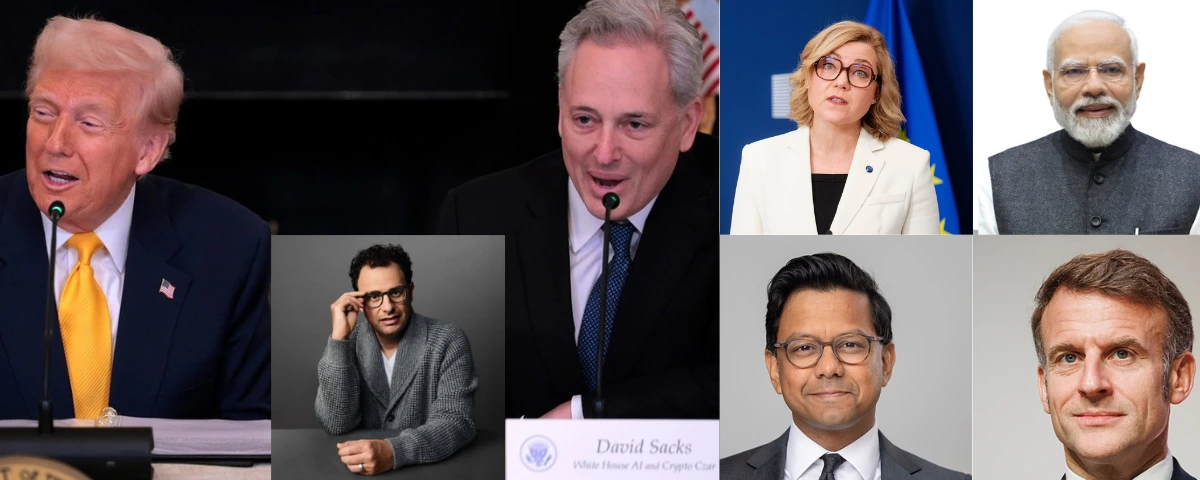
According to David Sacks, chair of the President’s Council of Advisors on Science and Technology the restrictions followed reports from a trusted testing partner that the models could be “jailbroken,” allowing users to bypass some of their safety safeguards. Sacks said Anthropic was asked to either address the issue or withdraw the models.
I’ve had a number of conversations with folks inside and outside government about the current situation with Anthropic, and here is what I believe to be true:
— As we know, Anthropic publicly released its Mythos class models earlier this week under the commercial name Fable.…
— David Sacks (@DavidSacks) June 13, 2026
Anthropic responded that the national security directive applied to foreign nationals – both inside and outside – the United States, including some of the company’s own employees, and disputed the government’s assessment.
The company said it reviewed the reported jailbreak and found that the demonstrated capabilities were limited and largely involved previously known software vulnerabilities, adding that similar capabilities could be found in other publicly accessible AI models.
The European Union has been among the most prominent voices responding to the restrictions.
European Commission Executive Vice-President Henna Virkkunen insisted, “Europe is an economic opportunity, not a security risk.” She added, “This is why we need to cooperate on emerging, powerful AI models. This is a shared global challenge. This also underlines the need for Europe’s technological sovereignty.”
Europe represents an economic opportunity, not a security risk. We are and will remain a trusted partner.
This is why we need to cooperate on emerging, powerful AI models. This is a shared global challenge.
This also underlines the need for Europe’s technological sovereignty.
— Henna Virkkunen (@HennaVirkkunen) June 15, 2026
The debate has also reached the United Kingdom, where AI Minister Kanishka Narayan said the restrictions showed why Britain needs stronger domestic AI capabilities and greater technological independence.
Anthropic CEO Dario Amodei, OpenAI CEO Sam Altman, and Google DeepMind CEO Demis Hassabis participated in discussions on AI security, cooperation, and technical standards.
Amodei told the Financial Times that countries should “resist the temptation to splinter” amid divisions regarding AI security and how the U.S. should work with its closest allies on emerging technologies.
Similar concerns were echoed by French President Emmanuel Macron, who criticized efforts to restrict access to advanced AI models and said France and India believe in “cooperative AI” rather than the “temptation to close up AI models.” Macron warned against turning AI into a “power tool” and argued that international cooperation should remain central to the development of advanced AI systems.
Also Read: David Sacks Reveals Why White House Banned Claude Fable for Non-Americans