The Trump administration has introduced a new national safety framework on artificial intelligence (AI) designed to create uniform safety and security guardrails, especially related to children’s exposure to AI.
“The administration recognizes that some Americans feel uncertain about how this transformative technology will affect issues they care about, like their children’s wellbeing or their monthly electricity bill,” the White House said in a statement.
The strategy emphasizes six key aspects. First, it focuses on safeguarding children and supporting parents with enhanced resources to reduce risks such as sexual exploitation and self-harm. However, how these safeguards will be implemented in practice remains unclear.
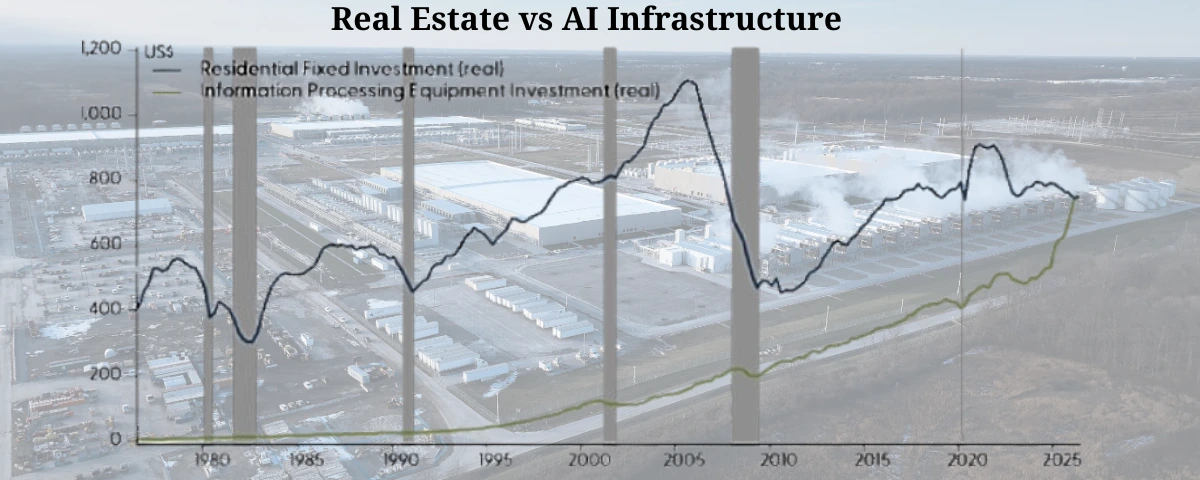
Second, the initiative aims to foster development of U.S. communities and support small enterprises. It suggests that ratepayers should not have to pay heavy bills because of large AI data centres and calls on Congress to streamline permits for better grid reliability. This comes amid growing concerns about the impact of AI infrastructure on energy systems.
Third, the government proposes stronger protections for intellectual property, offering support to creators including artists and authors. The plan attempts to balance these protections with the need for AI systems to train on existing content – an issue that remains contested.
Another point is free speech. The administration states that AI should not be used to control or limit people’s opinions. Instead, it should support open and fair communication. Balancing this with safety measures, particularly for children, could prove challenging.
The Trump administration also plans to boost innovation by streamlining regulations and facilitating the development and application of AI technologies. “The administration is calling on Congress to take steps to remove outdated or unnecessary barriers to innovation, accelerate the deployment of AI across industry sectors, and facilitate broad access to the testing environments needed to build and deploy world-class AI systems,” the statement added. At the same time, reducing regulatory barriers may raise questions around oversight and accountability.
Additionally, it emphasizes the significance of education and workforce development, with the government seeking to equip workers with essential skills for thriving in an AI-driven economy. The scale and speed of this transition, however, remain uncertain.
Ultimately, the administration positions a unified national framework as a way to reduce uncertainty and enhance AI leadership – but its effectiveness will depend on how these competing priorities are implemented in practice.
Also Read: Australia’s AI Chatbot Age Filters Take Effect, Aimed at Protecting Minors Online