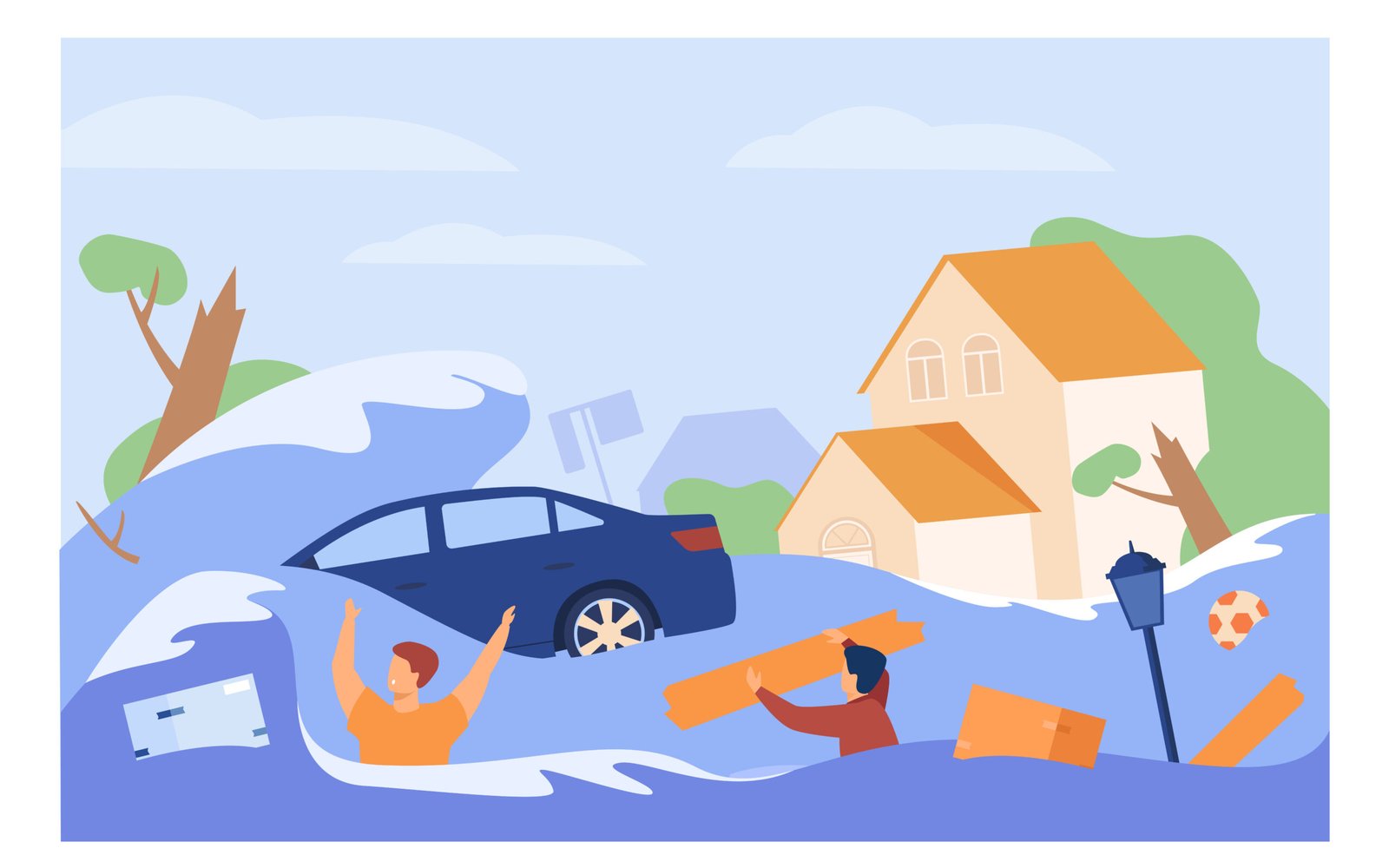
Flash floods often arrive with little warning, especially in crowded cities where rainwater has few places to go. Streets fill quickly, traffic stops, damaging buildings, power lines may fail, homes, agricultural land and livestock are often submerged.
To solve this problem, Google has introduced a new artificial intelligence methodology ‘Groundsource’ that can predict urban flash floods up to 24 hours before they happen. The idea behind the project is simple: give communities more time to prepare.
Predicting flash floods in cities has always been difficult. Buildings, roads, and drainage systems change how water flows, making traditional forecasting methods less reliable. Google’s new AI model studies weather patterns, rainfall forecasts, and city landscapes to better understand where water might collect and cause flooding.
But there was another challenge—a lack of reliable historical data about flash floods. Without past data, it’s harder for AI systems to learn patterns and make accurate predictions.
To tackle this problem, Google created Groundsource. It is a new AI method powered by Gemini. The system uses Google Maps and also searches through large amounts of information and identifies past flood incidents. Using this approach, researchers discovered more than 2.6 million historical flash flood events across over 150 countries.
This massive dataset helps scientists to understand flooding patterns in places where records were previously incomplete.
Google is also making the dataset open-source, meaning researchers and organizations around the world can use it to improve flood prediction and climate research.
We trained a new flood forecasting model designed to predict flash floods in urban areas up to 24 hours in advance.
To help address a flash floods data gap, we created Groundsource: a new AI methodology using Gemini to identify 2.6M+ historical events across 150+ countries.… pic.twitter.com/NLRe71uOD0
— Sundar Pichai (@sundarpichai) March 12, 2026
The new urban flood forecasts are already available on Flood Hub, Google’s platform that provides flood risk information. With better data and earlier warnings, the goal is simple: help cities prepare earlier and keep people safer when heavy rains arrive.
Also Read: Google Maps Gets Biggest Upgrade with Gemini-Powered Ask Maps and 3D Navigation