Seedance 2.0, the Artificial Intelligence (AI) video generational model of China based ByteDance, gained global attention after its ultra realistic videos went viral on social media, sparking off debates on the limits of Generative AI. With its release, Seedance 2.0 competes directly with OpenAI’s Sora, Google’s Veo/Genie, and Kuaishou’s Kling 3.0.
Soon after its official release on February 12, the Seedance 2.0 model gained significant traction on social media after a hyper-realistic AI generated video of Hollywood actors Tom Cruise and Brad Pitt fist-fighting went viral on X.
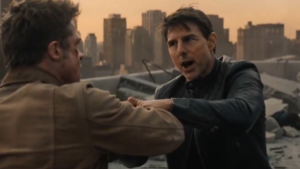
This 15 second clip of them engaged in hand to hand combat has gone viral over social media and people all over can’t help but ponder what this means for the future of film making and video creation as Seedance 2.0 is now generating astoundingly cinematic videos with just prompts a few lines long.
What is Seedance 2.0?
Seedance, a diffusion model at heart, better understands the functioning of the real world and ‘respects’ physics .Not only can it handle text, images , video and audio inputs with its “Quad-modal Input” design it can also reference text based storyboards which are a key feature for professional workflows. Based on a unified multi-modal audio video joint generation architecture -it understands how sound and light behave in the real world. For all its strengths its performance lags when it comes to videos that have elements of multiple glass layers or background texts apart from other minor inconsistencies.
Barely a week after its launch, it already has Hollywood worried. Rhett Resse who has co-written movies like Deadpool and Wolverine has even gone as far and said ,”that It’s likely over for us”. Disney has sent a cease and desist letter to its parent company ByteDance , who are also owners of TikTok for recreating characters from Star Wars, Marvel and other franchises that Disney has copyrights over.