Journalism begins where hype ends

,,

We can only see a short distance ahead, but we can see plenty there that needs to be done.” "

—Alan Turing

Chinese Military Used US AI Models to Build Defense Tech

A Reuters review of over 80 academic papers and patents has found Chinese institutes with ties to the PLA using distillation techniques on US AI models, including OpenAI's GPT-3.5 and Anthropic's Claude Haiku, to develop domestic defense-linked AI systems.
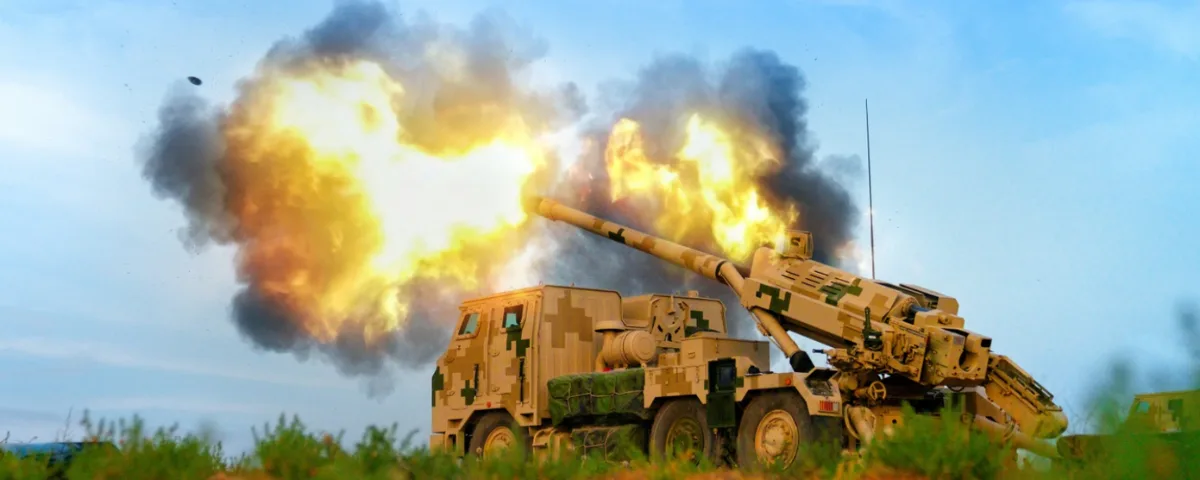
Chinese PLA artillery system firing during live military exercise with smoke and flame
August 2, 2026 02:22 PM IST | Written by Neelam Sharma | Edited by Vaibhav Jha

An investigative report by Reuters has pointed towards increasing use of US artificial intelligence (AI) models by Chinese military researchers to train their domestic AI models, through distillation techniques, in order to boost China’s military capabilities.

According to the Reuters report, a review of over 80 academic papers and patents from China based institutes, with close ties to People’s Liberation Army (PLA), show use of model distillation on US AI models of OpenAI and Anthropic.

Distillation refers to a technique in which outputs from a powerful AI system are used to train smaller, specialized models without the massive computing cost required otherwise. Incidentally, a recent joint letter addressed to the Congress by over 200 American AI and Tech companies including OpenAI, Google, META, NVIDIA has advocated for open-weight AI models and distillation as a widely accepted technique for learning.

The Reuters report involve research done by the Washington-based Jamestown Foundation, which pointed to wide use of American models by researchers from China based institutes that have close ties to the PLA.

The report cites research studies that mention use of OpenAI’s GPT 3.5 to analyze and summarize military software code and ultimately train an indigenous AI model based on those summaries. Similarly, another research paper from North University of China indicates use of Claude Haiku model for machine learning training purposes for monitoring social media.

Also Read: China Accuses US of “AI Hegemonism” as Distillation Row Deepens
Authors

  • Neelam Sharma, reporter at AI FrontPage

    Neelam Sharma is a passionate storyteller, and journalist with over a decade of experience across leading Indian media houses.
    Known for her calm presence on screen and powerful storytelling off it, Neelam brings a rare blend of credibility, creativity, and empathy to journalism. Her strength lies in ground reporting and research-driven narratives that connect with the heart of the audience. Whether covering social issues, human-interest features, or breaking news, she combines factual depth with a human touch—making every story not just informative.

    LinkedIn

  • Vaibhav Jha, editor and co-founder at AI FrontPage

    Vaibhav Jha is an Editor and Co-founder of AI FrontPage. In his decade long career in journalism, Vaibhav has reported for publications including The Indian Express, Hindustan Times, and The New York Times, covering the intersection of technology, policy, and society. Outside work, he’s usually trying to persuade people to watch Anurag Kashyap films.

    LinkedIn