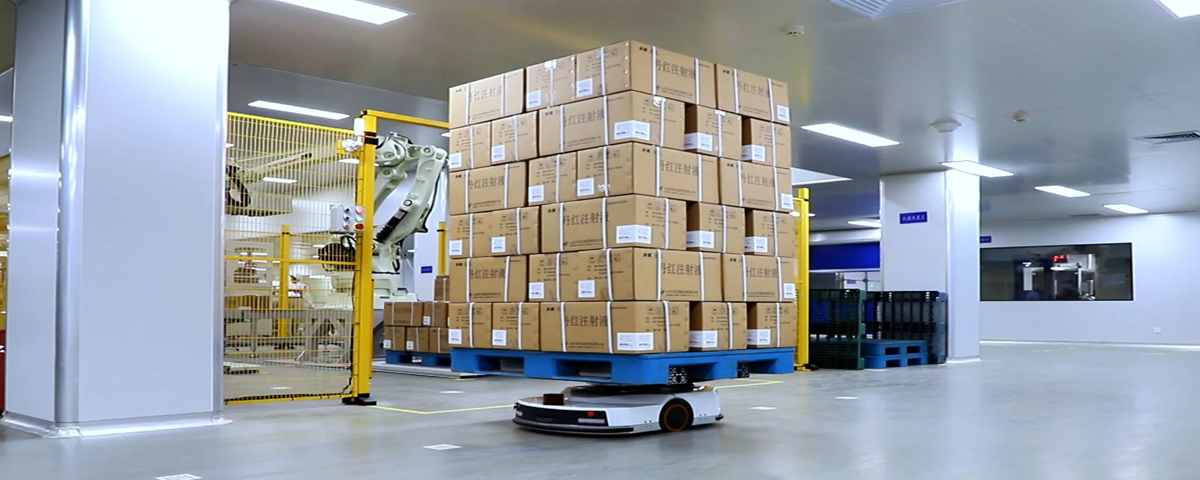
China’s 15th Five-Year Plan (2026–2030) reflects a shift toward applying AI in industrial systems, with robotics playing a larger role.
According to the International Federation of Robotics, the plan aims to move AI toward physical applications, with robots playing a larger role in industrial use.
There are currently about 2 million industrial robots operating in China, which is around 4.5 times more than Japan, according to IFR’s World Robotics 2025 report. China accounts for about 54% of global industrial robot installations.
Instead of basic automation, China is moving from traditional automation toward high-end, AI-integrated robotics.
Humanoid robots have been shown at public events such as Lunar New Year celebrations and a robot half-marathon in Beijing, with footage from these events circulating widely.
These demonstrations show progress in “embodied AI,” where AI systems are integrated into human-like machines.
However, humanoid systems are still at an early stage and largely limited to demonstrations and pilot projects, with little use in production.
In contrast, industrial robots are designed for specific tasks with high speed and precision and remain widely used in manufacturing.
China expects humanoid robots to reach commercial viability later in the current five-year plan period. IFR indicates that wider use of AI with industrial robots will continue over time.
China’s domestic market remains a major factor. The share of local suppliers in China’s industrial robot market increased from 30% in 2020 to 57% in 2024.
Around 64% of industrial robots used in global electronics manufacturing are deployed in China, and domestic suppliers account for up to 85% of the machinery and metal industry robot market within the country.