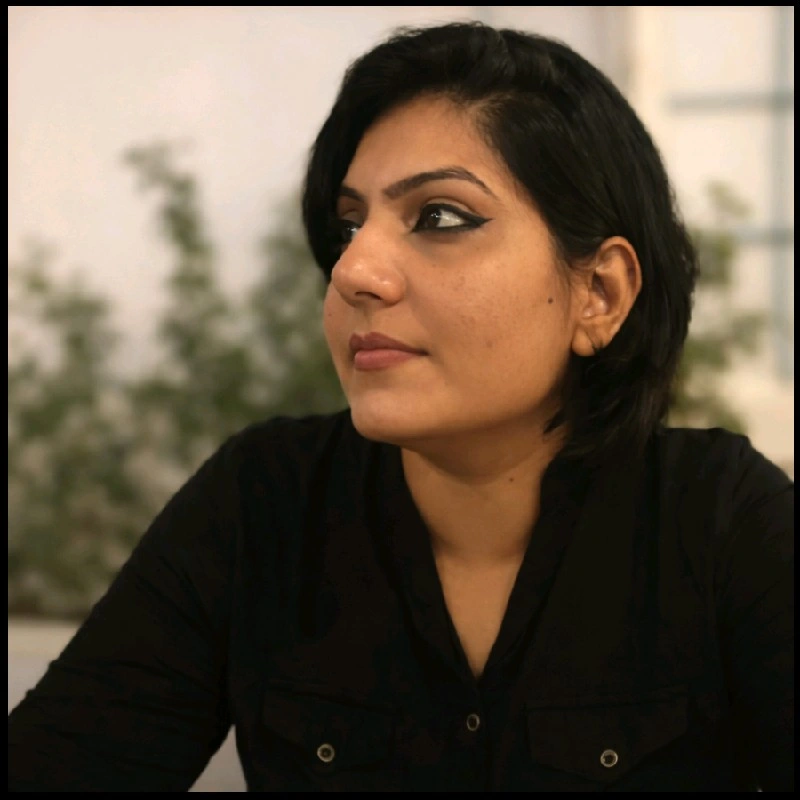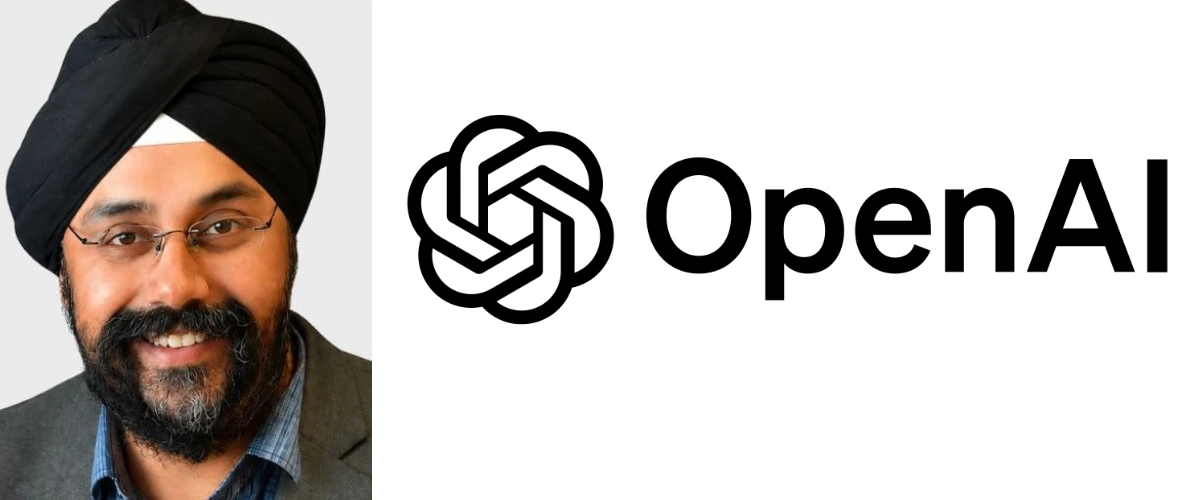
OpenAI has appointed former Uber India head Prabhjeet Singh as Managing Director for India, strengthening its leadership in ChatGPT’s second-largest market after the United States. Singh will join the company in September and report to Asia Pacific Managing Director Kiran Mani, leading OpenAI’s India operations as the company expands its presence across the country.
The appointment follows rapid growth in India. Earlier this year, ahead of the India AI Impact Summit 2026, OpenAI CEO Sam Altman announced that India had surpassed 100 million weekly active ChatGPT users, making it the platform’s second-largest market after the United States.
According to media reports, Singh will oversee consumer growth, enterprise adoption, strategic partnerships, regulatory engagement, and business operations.
Singh’s appointment comes months after OpenAI named former Google executive and JioStar CEO Kiran Mani as Managing Director for Asia Pacific. Mani leads the company’s strategy and business operations across the region and reports to Chief Strategy Officer Jason Kwon. Since opening its first Asia office in Tokyo in April 2024, OpenAI has expanded its footprint across the Asia-Pacific region, including Singapore, South Korea, Australia, and India.
Also Read: OpenAI Taps Kiran Mani to Lead APAC Expansion Amid Growing Backlash
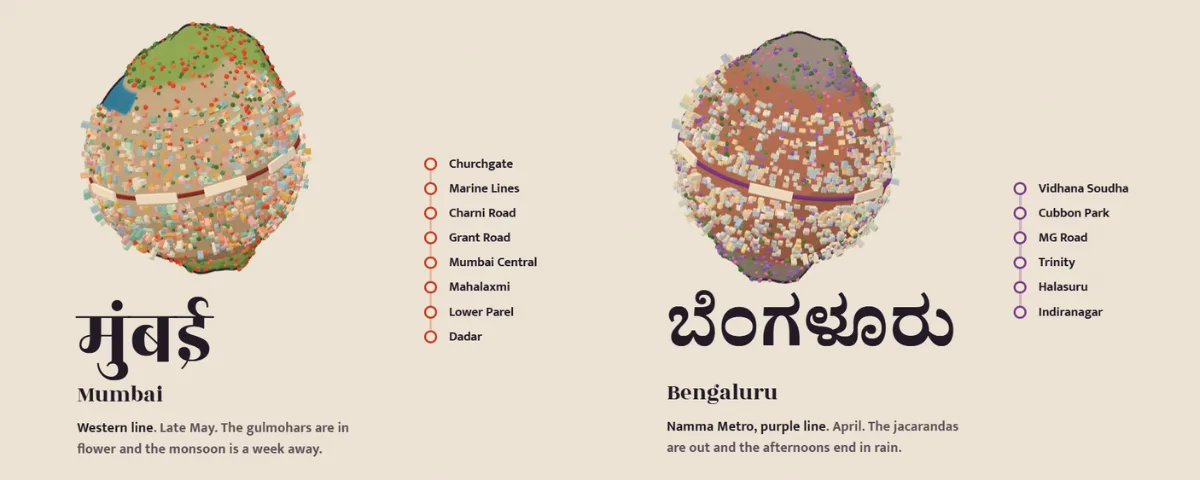
OpenAI opened its first India office in New Delhi last year and has since introduced several India-focused initiatives, including ChatGPT Go, the IndQA benchmark covering 12 Indian languages, education partnerships providing more than 100,000 ChatGPT Edu licenses to leading institutions. OpenAI said that it plans to establish new offices in Mumbai and Bengaluru later this year.
Before joining OpenAI, Singh spent nearly 11 years at Uber, most recently serving as Uber India and South Asia President. During his tenure, he led the company’s mobility business across India, Sri Lanka, and Bangladesh after holding leadership roles spanning strategy, operations, and business growth.
Singh holds an MBA from the Indian Institute of Management Ahmedabad and a bachelor’s degree in Electronics and Communication Engineering from the Indian Institute of Technology Kharagpur.
Beyond OpenAI’s expanding presence, the broader question for India is whether it can move beyond AI adoption to ownership and long-term value creation. As global AI companies deepen their investments and compete for India’s rapidly growing user base, policymakers and industry leaders face the challenge of ensuring the country converts its scale into homegrown AI models, infrastructure, intellectual property, and long-term economic value, rather than remaining primarily a market for technologies developed elsewhere.
Also Read: OpenAI’s India Boom: Massive Scale, Missing Ownership