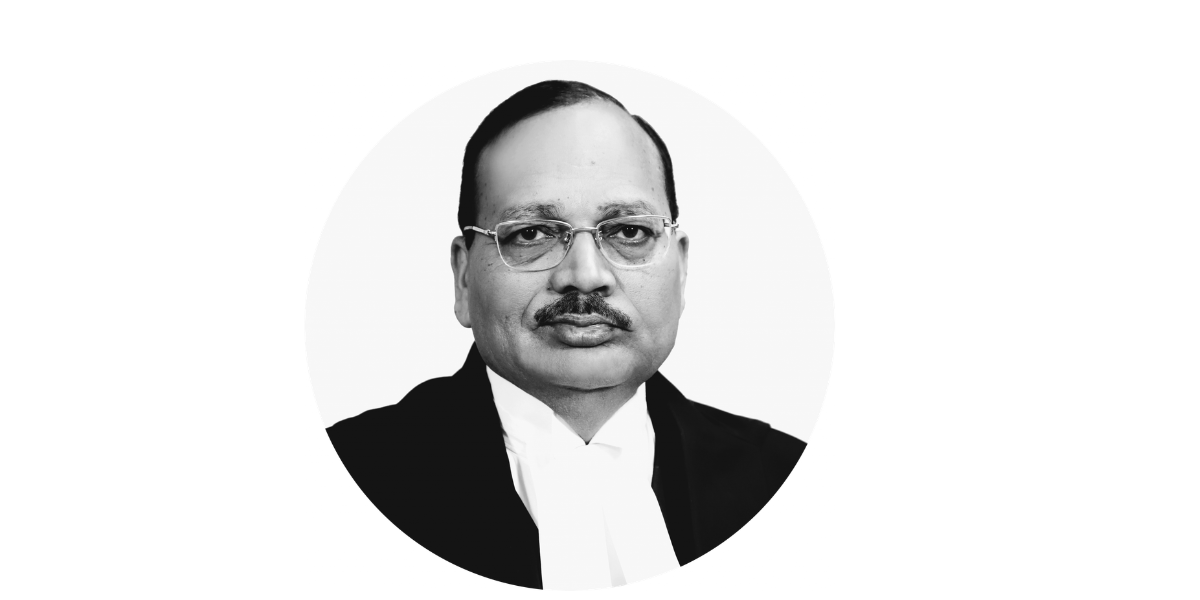
Can machines and algorithms discriminate against the poor and marginalized? That unsettling question took centre stage in New Delhi on Wednesday when Chief Justice of India Surya Kant warned that artificial intelligence, despite its promise and growing influence, is beginning to reflect deep social inequalities already present in society.
Speaking at the 8th Dinkar Memorial Lecture on “Rashmirathi: The Epic of Social Justice,” CJI Kant stressed that emerging technologies like AI is not based on the principle of inclusivity and rather reflect the bias of the society towards poor and marginalized sections.
“There has been a lot of progress in society due to AI and globalization but where is the principle of inclusivity? Some countries have shown that AI has an inbuilt bias towards the poorer sections of society,” said CJI Kant.
Referring to Rashmirathi, the epic-poem by Dinkar, Kant said that allocation of resources, opportunities and development of a country should be based on the principles of inclusivity.
“The struggles of Karna (mythological Hindu figure in Mahabharata epic) in Rashmirathi still mirror the experiences of millions who continue to face exclusion because of birth, caste, or social background. Quoting Dinkar’s famous lines about flowers blooming not just in royal gardens but also in forests far away from power,” said Kant.
Justice Kant noted that writers and poets had challenged social discrimination long before such values were formally written into the Constitution. Referring to Article 17, which abolished untouchability, he said literary voices had already planted the seeds of equality and human dignity decades earlier.
Also Read: “Do Not Become An Artificial Lawyer”: Judges Come Down Hard on AI in Courts